Rodent Removal in Clearwater, FL
Clearwater's rat calls come from a mid-century core of block homes under old trees and from the condo towers on Clearwater Beach and Sand Key. The free inspection finds the way in on either kind of building and the quote is itemized.
- Free roofline and attic inspection
- Line answered 24 hours a day
- FDACS credential on every job
Free Inspection in Clearwater
A free inspection on a Clearwater house starts at the roofline, because the city's housing is slab-built with a vented attic and the openings a rat uses are the soffit returns, the gable and off-ridge vents, and the eave course of a tile roof. Whoever attends walks the perimeter, checks the AC line set and plumbing penetrations, goes into the attic to read the droppings and the runs in the insulation, and on a condo checks the trash room, the parking level and the common wall penetrations. What comes back is a quote with trapping, sealing and cleanup priced on separate lines.
Clearwater sits across the bay from the Tampa office by way of the Courtney Campbell Causeway, and the phone is answered 24 hours a day. Pinellas County is inside the service area and every contractor we route holds the FDACS credential the job needs. Book a free inspection and we will arrange the visit.
The mid-century block homes of the Clearwater core
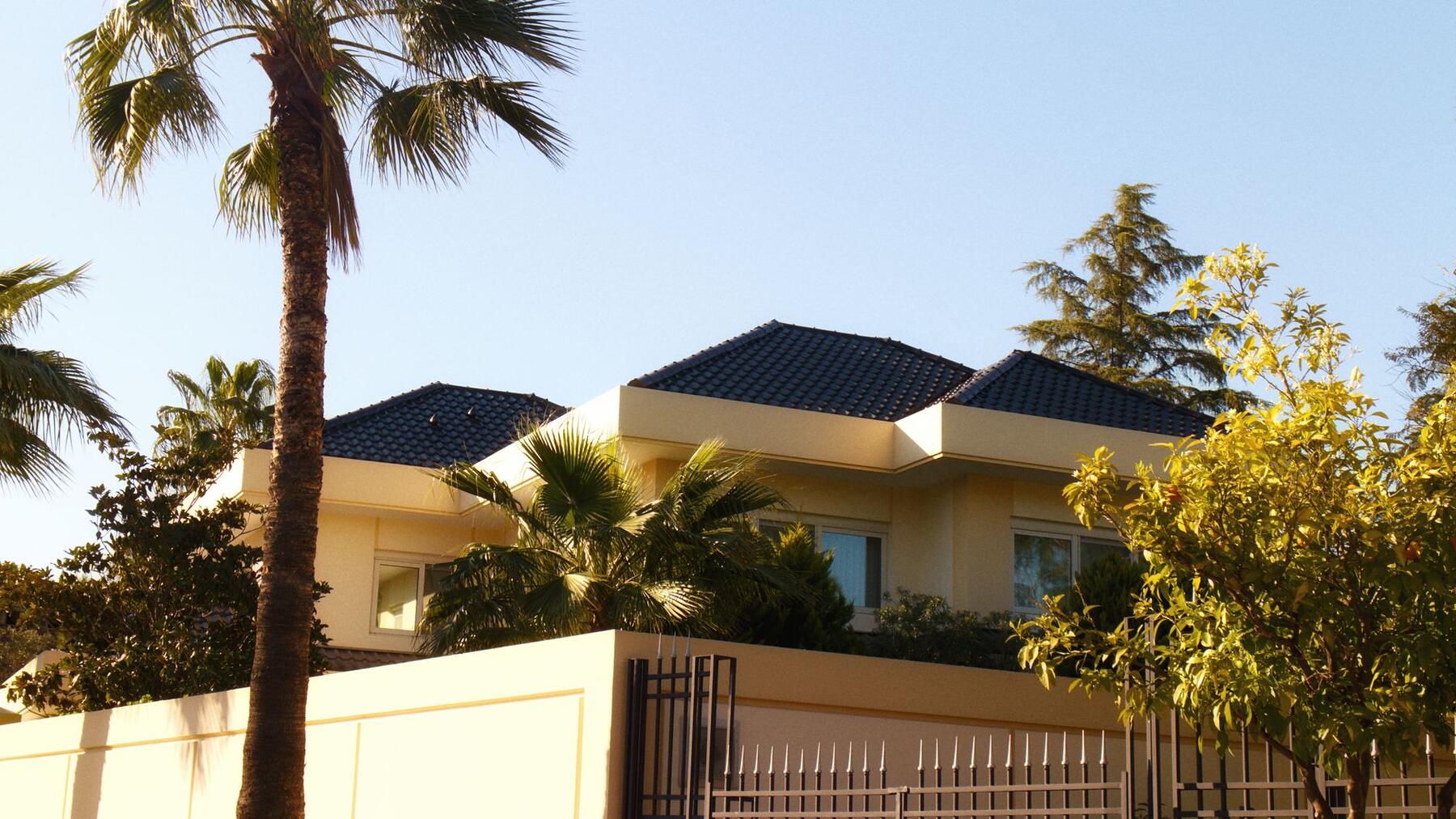
Most of Clearwater's rat calls come from the single-story block houses built between the end of the war and the 1970s. The city grew from roughly fifteen thousand people in 1950 to eighty-five thousand by 1980, and the grid of neighborhoods east of downtown and either side of Gulf to Bay Boulevard was laid down in those decades. Those houses have aluminum or vented wood soffits, gable vents with light screen, off-ridge vents on the shingle roofs and, on the higher-end streets, barrel tile with an open eave course. The oaks and palms planted when the streets were new are now sixty and seventy years old and touch the rooflines, and UF/IFAS describes the roof rat as an animal that travels along branches, wires and palms.
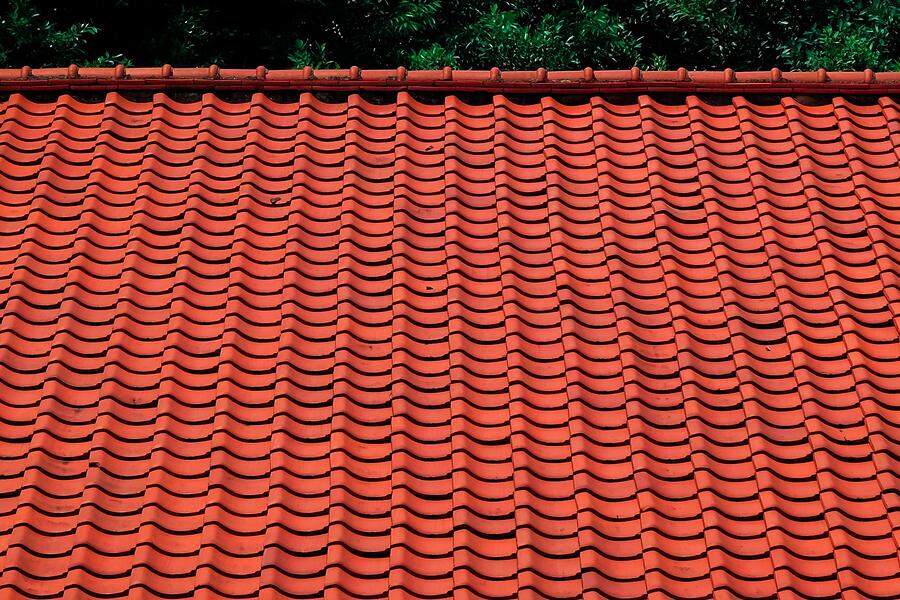
Harbor Oaks, on the bluff over Clearwater Harbor where Fort Harrison once stood, is the older exception: an early twentieth century district of larger homes under mature live oaks, with the eave details and additions of a house that has been altered several times. The way in on all of this stock is the same handful of openings, and rodent exclusion closes each with steel mesh or sheet metal to the quarter-inch standard UF/IFAS gives for rat-proofing. On tile roofs the contractor we route fits a manufactured metal bird stop under the first course, which the Department of Energy lists among its recommended tile-roof measures, in place of the foam a cheap quote usually means.
Condos on Clearwater Beach and Sand Key
Rats in a beach condo are a building problem before they are a unit problem. Clearwater Beach sits on its own barrier island across the Intracoastal from the mainland, with Sand Key running south of it, and both are lined with condominium towers, mid-rise buildings and the older two-story motel-style blocks near the marina and the beach walk. A rat that turns up in a kitchen on the fourth floor came in through the trash room, the parking level, a ground-floor utility chase or a chewed screen on a plumbing vent, and traveled the building's own chases to get there. The unit owner can trap it; the association owns the way in.
The contractor we route treats a condo call as an inspection of the shared structure, with a written report the board can act on. Ground-floor exclusion, trash room sealing and trapping in the chases are priced separately so the association sees what each part costs. Commercial rodent control is the fit for an association or a beach restaurant, and a rodent clearance letter is available where a unit sale needs one.
What Helene and Milton left behind in Clearwater
The 2024 storms opened Clearwater buildings to rats in two ways. Helene's surge ran along the barrier islands from St. Petersburg to Clearwater, put four feet of water through the marine aquarium on Island Estates and flooded the low streets near the harbor; two weeks later Milton's rain overwhelmed a drainage system and put more than six feet of water through an apartment complex on the mainland in what Pinellas County called its largest water rescue on record. Wind took shingles and displaced tile, and the debris sat at the curb for weeks. Tampa Bay pest firms reported a surge in rodent calls after both storms, as they had after Ian and Irma: damaged rooflines let roof rats in, flooding pushed rats out of burrows, and the debris piles became harborage.
The Department of Energy documents storms breaking and displacing roof tiles, with one broken tile cascading into others, so a tile roof that lost a few pieces in Milton may have an open eave a year later. The CDC ties leptospirosis case increases to floods and recommends rodent control as post-flood prevention. A post-storm rodent inspection checks the roof, the soffits and the ground-floor openings a repair crew may have left, and seals them before the next season.
What We Handle in Clearwater
Clearwater work runs from single-story block houses to beach condo towers, and the contractor we route handles the attic, the roofline and the shared structure.
- Roof rat removal: trapping in the vented attics of the mid-century core under the old oaks and palms.
- Rodent exclusion: steel mesh at soffit returns and gable vents, metal bird stops under barrel tile, sealed line-set and plumbing penetrations.
- Rodent inspection: free, with the entry points listed and photographed so a second contractor could check them.
- Attic cleanup: contaminated insulation out, the space treated, scheduled early in the day in summer.
- Attic insulation replacement: fresh blown insulation where the old fill was pressed flat and soaked.
- Commercial rodent control: condo associations on the beach and Sand Key, restaurants along the causeway and downtown.
- Post-storm rodent inspection: rooflines and ground floors after wind and surge damage.
A Typical Clearwater Job
The situation: A common Clearwater call comes from a 1960s block house a few streets off Gulf to Bay where the owner hears something run the length of the ceiling every night around ten. There is a barrel tile roof from a replacement twenty years ago, a queen palm leaning over the garage, and a smell in the hall closet that has been getting worse. They have been told by a friend that it is probably a squirrel and to stop worrying about it.
What gets done: The free inspection finds roof rat droppings, a quarter to half an inch long and pointed at the ends, along the top plate above the closet, and an open eave course where the tile roof never had a bird stop fitted. The contractor we route sets traps in the attic, fits a manufactured metal closure the full length of both eaves, screens the two gable vents and seals the line-set hole, then recommends the palm be trimmed back from the roof. The smell is traced to a dead rat in the closet wall and it is removed the same visit.
How it turns out: The catches stop within the first ten days, the follow-up visit finds no fresh droppings, and the owner gets a written list of the closures with photographs. The eave is now a metal component instead of an open slot, which is how the roof should have been finished in the first place.
What This Costs in Clearwater
Clearwater jobs price inside the published Tampa area and national bands, and the free inspection settles which lines apply to your house or building.
| Work | Tampa area (Angi) | National (HomeGuide 2026) |
|---|---|---|
| Inspection on its own | Free through the call | $0 to $175 |
| Trapping and removal | Typically $441 to $1,716 a visit; the average is $1,078 | $250 to $1,200 |
| Whole-house exclusion | $550 to $1,642 | $500 to $2,500 |
| Attic cleanup and decontamination | $600 to $2,500 | |
| Insulation out and replaced | $600 to $1,200 to remove; $1,000 to $3,000 more to replace | $2.50 to $5.50 per sq ft |
| Dead rodent removal | $150 to $500 |
A tile roof with two long eaves to close costs more to seal than a shingle roof with four vents, and a condo building is quoted as a structure with the association. The quote should show trapping, sealing and cleanup as separate figures, and it is fair to ask whoever attends how many follow-up visits are included and what the sealing warranty says.
The order an attic job runs in
Five stages, from inspection through to cleanup.
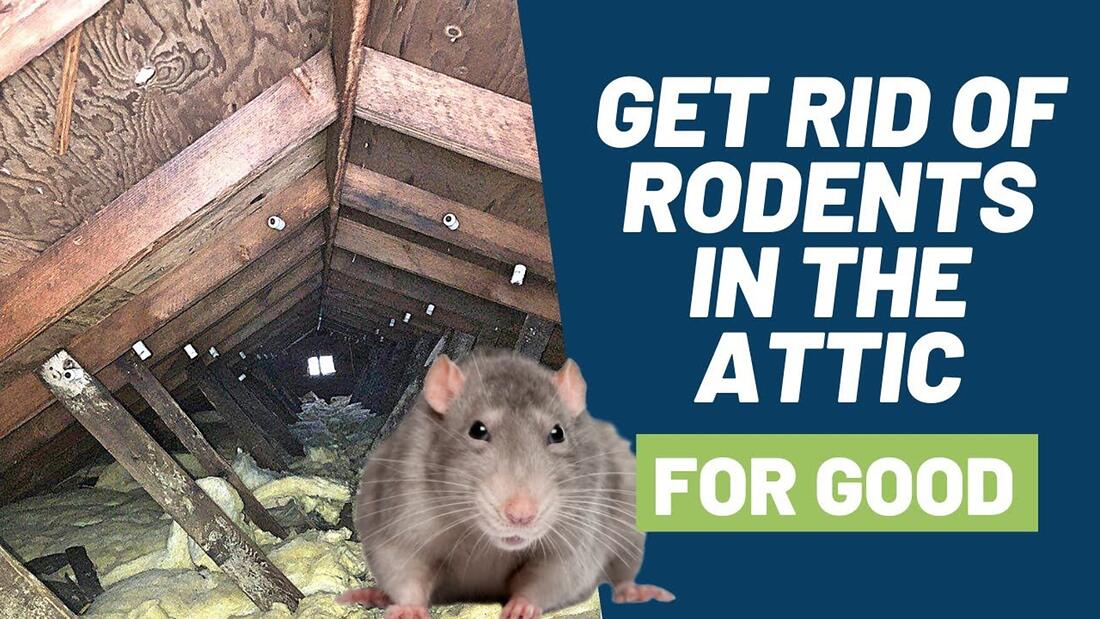
Video: 5 Step Solution to Get Rid of Rodents in Your Attic, from Atticare Construction.
Common Questions in Clearwater
What callers from Clearwater ask before booking.
Clearwater houses and roofs
Do I really need the roofline sealed, or can I get away with trapping?
Trapping without sealing catches rats for as long as you keep setting traps, because the opening they used is still there and the canopy over a Clearwater street keeps supplying animals. On a mid-century block house the sealing is a short list: soffit returns, gable and off-ridge vents, the line set, and on a tile roof the eave course under the first row. Done in steel to the quarter-inch standard, it ends the problem. The contractor we route traps and seals on the same job and prices each on its own line so you can see the split.
What is a bird stop and why does my tile roof need one?
A bird stop, also called an eave closure, is the metal piece that closes the gap under the first course of barrel tile, and without it the eave is an open slot the length of the house. It is a code-approved component, typically 26 gauge galvanized or aluminum, sometimes ventilated with weep holes, and the Department of Energy lists installing bird stopping among its recommended tile-roof measures. Many Clearwater tile roofs from the replacement boom of the last thirty years were finished without one or have lost it to corrosion. Fitting the manufactured part is the fix; foam is what a cheap quote means.
Condos and timing
Who is responsible for rats in a Clearwater Beach condo?
The unit owner deals with the rat in the unit and the association owns the openings the rat used, which are almost always in the common structure: the trash room, the parking level, ground-floor utility chases and vent screens. A single unit can be trapped, and the building will keep producing rats until the shared openings are closed. The contractor we route inspects the structure and writes a report the board can act on, with common-area exclusion priced separately from unit trapping. Bring the report to the manager and the work moves faster.
How long does it take to get rid of rats in Clearwater?
A small number of rats usually clears in two to three days of trapping once the house is sealed, and a heavy, long-established infestation can run one to two months, on HomeGuide's published range. Roof rats are wary of anything new, so UF/IFAS advises leaving traps at least a week before judging them, and the sealing goes in first or alongside so nothing replaces what is caught. The job is finished when a follow-up visit finds no new droppings, and that visit should be part of the quote.
Still have a question? Call (813) 710-4931 and ask.
Nearby Areas We Serve
The same contractors cover the towns around Clearwater, and the service area is the whole of Pinellas and Hillsborough County.

Book a Free Inspection in Clearwater
A Clearwater inspection is free, covers the roofline and the attic on a house or the shared structure on a condo, and comes back as an itemized quote. Someone picks up the phone 24 hours a day, and Pinellas County is inside the service area.