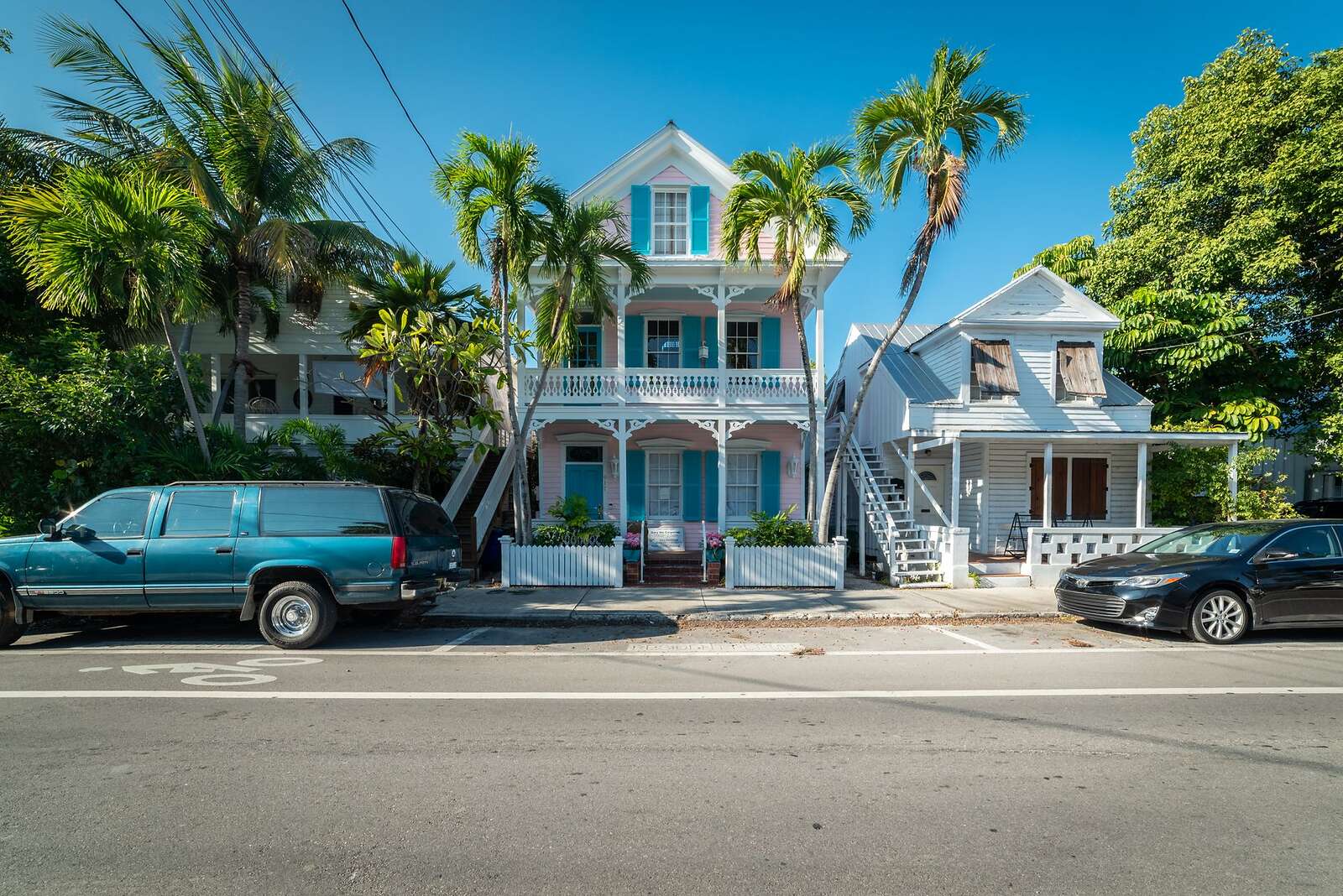
Rodent Removal in Lutz, FL
Lutz keeps its lakes, its big wooded lots and its oak canopy, and a roof rat treats all three as a road to the attic. One call books a free inspection by an FDACS-licensed contractor, tree line to attic.
- Free attic and roofline inspection
- Hillsborough and Pasco sides covered
- Phone answered 24 hours
Free Inspection in Lutz
The free inspection on a Lutz property covers more ground than it does in town, because the lot is bigger and the trees are closer. Whoever attends walks the roofline for open soffits, gable vents, roof-to-wall gaps and the eave lines on any tile section, then checks the outbuildings, the woodpile and the palms and oaks that overhang the house, and finishes in the attic reading droppings and rub marks. You get a written list of every opening before anyone quotes a number.
Lutz is 15 miles north of Tampa on US 41 and I-275, straddling the Hillsborough and Pasco line, and jobs on both sides are routed from the office at Rivergate Tower downtown. The phone at (813) 710-4931 is answered 24 hours a day. Book a free inspection and say whether the noise is above a ceiling, inside a wall or out in a shed, because that changes where the search starts.
Lakefront Lots and Heavy Canopy on Both Sides of the County Line
Lutz is a lake town with a tree canopy, and both conditions feed roof rats toward the house. The census-designated place covers about 27 square miles with roughly 9 percent of it water, the unincorporated community runs north across the Pasco line, and the census still counts a rural share of its residents living on acreage where the oaks and pines were never cleared. Water on every other lot means a rat colony never has to travel far for a drink, and UF/IFAS records the species ranging about 150 yards from the den, so a house well back from the shore is still inside a normal foraging circle.
The canopy is the bigger factor. A roof rat is arboreal, moving along branches, wires and palm trunks the way a squirrel does, and on a wooded Lutz lot the branches touch the roof on two or three sides. The dead-frond skirt on an unpruned cabbage palm is a nest site a few feet from the fascia. Sheds, barns and boat houses on the larger properties hold feed, tack and stacked lumber that shelter a colony between the tree line and the main house.
Sealing works the same on a five-acre parcel as on a city lot. Every opening on the main house gets closed to the quarter-inch UF/IFAS standard with steel mesh and metal flashing, the limbs come back off the roof, and the outbuildings get treated as a source even though nobody sleeps in them.
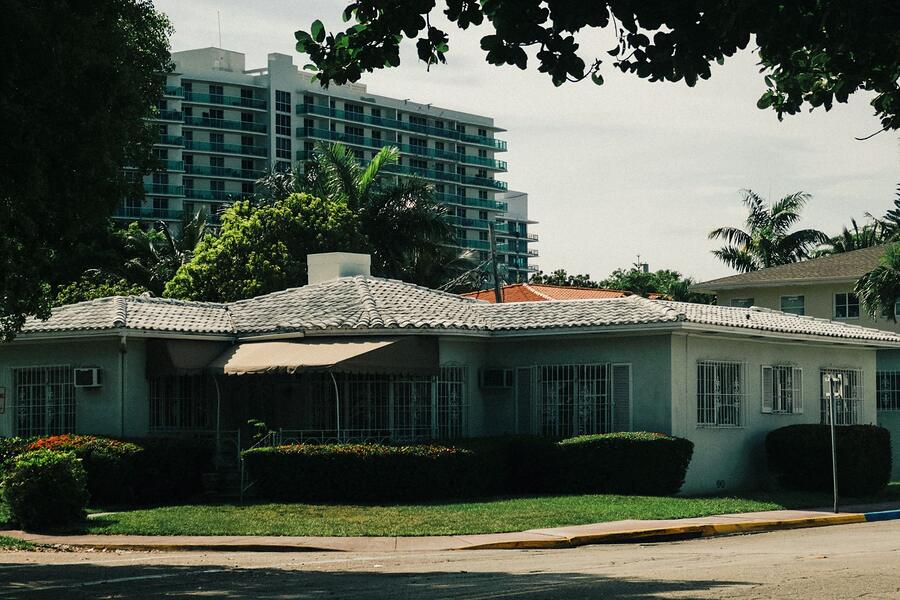
Older Houses on Large Lots Beside 2000s Subdivisions
Lutz housing splits into two ages, and each has its own way of letting a rat in. The older core grew up around the railroad depot on US 41, the community having been named for W. P. Lutz, who brought the Tampa Northern line through, and the houses along the old roads and lake shores range from mid-century block to older wood-framed homes with wide eaves, raised floors in places, and decades of additions. Wood fascia rots at the ends. Crawl spaces under a raised floor give a Norway rat a burrow and a roof rat a route up inside a wall. Screened porches and Florida rooms meet the main roof at joints that were never flashed for anything smaller than rain.
The newer subdivisions off I-275, Dale Mabry and the Pasco side went up mostly after the community's growth spurt, and the 2020 census shows Lutz grew by more than a fifth in the decade before it. Those houses are block and stucco with shingle or tile roofs and vented attics, and the entry points are the standard ones: soffit returns, off-ridge vents, and the open eave course under the first row of barrel tile where the bird stop, a code-approved galvanized or aluminum closure, is missing or was knocked out of line. The Department of Energy lists installing bird stopping among its recommended tile-roof measures, and it is the piece a cheap quote replaces with a blob of foam.
A written opening list from the free inspection is the same document on either house. The older house tends to have more openings and the newer house tends to have fewer and larger ones.
Cypress Creek Flooding and Fallen Oaks After Milton
Milton hit Lutz with rising creek water and falling trees, and both pushed rats toward houses through the following winter. The Pasco Sheriff's Office and FOX 13 reported Cypress Creek at State Road 54 in the Lutz and Wesley Chapel area forecast to reach major flood stage, the Tampa Bay Times photographed floodwater and downed trees around homes on Linda Vista Road, Bay News 9 reported a lakefront Lutz home with more than a foot of water inside, and residents who stayed described oaks smashed against houses and sections of roof gone.
A fallen oak opens the roofline in one stroke, and DOE documents storms breaking and displacing roof tiles, with one broken tile leading to others. Rising creek and lake water displaces ground-nesting animals into garages and attics on the dry side of the property, and the CDC ties leptospirosis increases to hurricanes and floods, names rodents among the reservoir animals, and recommends rodent control as part of post-flood prevention. A post-storm rodent inspection reads the roof for storm openings and the yard for debris harborage together, and the sealing that follows closes both.
What We Handle in Lutz
The jobs routed in Lutz run from a single rat in a lakefront attic to a wooded property where the sheds and the main house need sealing together.
- Roof rat removal: trapping the citrus rat that arrived along an oak limb, with traps left in place at least a week because UF/IFAS notes the species avoids new objects.
- Rodent exclusion: steel mesh and metal flashing at soffits, gable vents, roof-to-wall joints and tile eaves on the main house, plus the outbuildings that shelter the colony.
- Rodent inspection: the free walk of the roofline, the tree line and the attic that produces the written list of openings.
- Attic cleanup: removing droppings and soiled insulation from attics in older Lutz houses that have hosted rats for years, with respirators worn on general contamination grounds.
- Attic insulation replacement: replacing tunneled and urine-soaked insulation, since DOE states compressed and wet insulation performs below its rated value.
- Dead rodent removal: finding the animal behind the smell in a wall or above a ceiling after a poison-only job.
- Post-storm rodent inspection: the roof and yard check after a hurricane has dropped limbs on the house and flooded the low ground.
A Typical Lutz Job
The situation: A common Lutz call comes from an older house on a wooded lakefront lot with a detached workshop. The owner hears heavy movement above the kitchen ceiling at night and has found droppings on the workbench in the shop. He has already set a few traps in the attic and caught nothing, and the nights of lying awake listening have started to wear on him.
What gets done: The contractor we route starts at the tree line and finds an oak limb lying on the porch roof and a cabbage palm with a thick dead-frond skirt beside the workshop. The workshop holds an open bag of bird seed and a nest in a coil of rope. On the house, the wood fascia has rotted open at two corners and the gable vent screen is plastic and chewed through. The attic droppings are quarter to half inch and banana shaped, which UF/IFAS gives as roof rat. Traps go along the rub marks and stay a week. The fascia gets new wood backed by metal flashing, the gable vent gets steel screen, and the workshop gets its door sweep and eave gaps closed along with the house.
How it turns out: Four animals come out of the attic in the first week and the kitchen ceiling goes quiet. The owner has the limb cut back and the palm skirted, the follow-up visit finds no fresh droppings, and the last opening is sealed. He gets a written list of every opening closed on both buildings.
What This Costs in Lutz
Lutz jobs price inside the published Tampa and national bands, with the free inspection turning the band into an itemized quote for the house and any outbuildings.
| Work | Tampa (Angi) | National (HomeGuide 2026) |
|---|---|---|
| Inspection | Free with the call | $0 to $175 standalone |
| Trapping and removal | $1,078 average per visit, typical range $441 to $1,716 | $250 to $1,200 |
| Full-home exclusion | $550 to $1,642 | $500 to $2,500 |
| Attic cleanup and decontamination | Ask at inspection | $600 to $2,500 |
| Insulation removal | $600 to $1,200 | $2.50 to $5.50 per sq ft, removal and replacement together |
| Insulation replacement | Adds $1,000 to $3,000 | Included in the per-foot band |
| Dead rodent removal | Ask at inspection | $150 to $500 |
The Lutz variable is the number of buildings. Sealing a main house and a workshop is two exclusion jobs on one visit, and a large wooded lot with an old wood-framed house tends to land toward the top of the Tampa band. Ask whoever attends for trapping, sealing and cleanup as separate lines, and ask what the warranty covers and whether it renews.
Rodents in the attic
What is happening above the ceiling, explained.
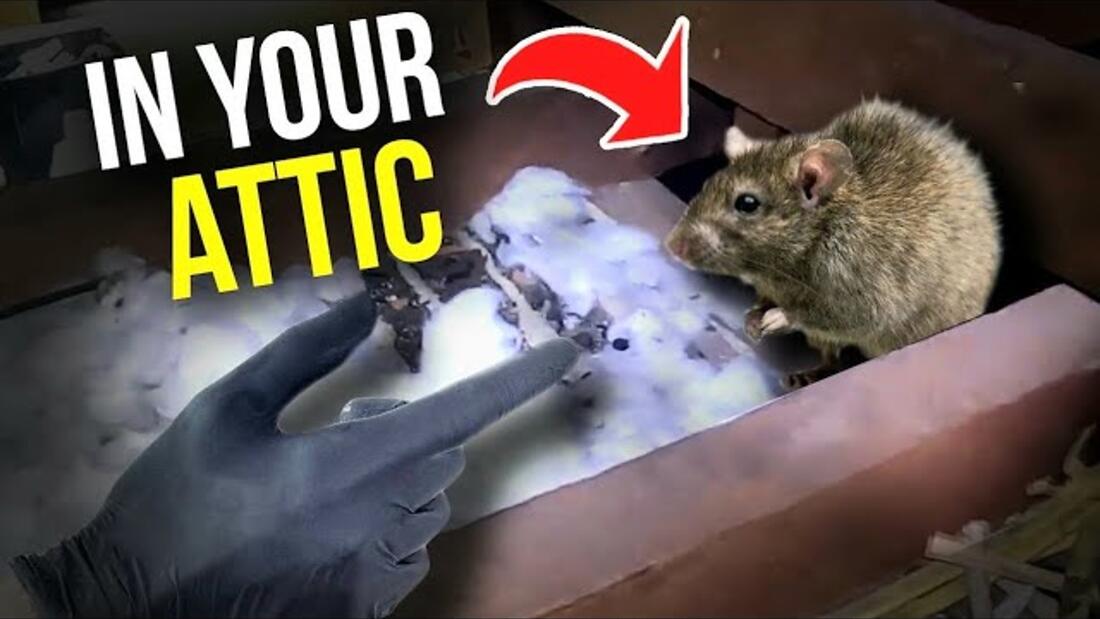
Video: Rodents in your ATTIC!? Here's what you do, from Twin Home Experts.
Common Questions in Lutz
What callers from Lutz ask before booking.
Rats on a wooded Lutz lot
What keeps rats away permanently on a lot with this many trees?
Closing the house. There is no repellent registered for roof rats and no device that clears a territory, so the permanent answer on a wooded lot is a sealed roofline plus pruning that takes limbs off the roof. UF/IFAS advises isolating trees from roofs, fences and wires because the species travels along them. Keep the palms skirted, close the outbuildings, and store feed in metal cans. The colony in the woods stays in the woods when the building gives it nothing.
Are the rats coming from the lake or the woods?
Usually the woods, with the lake as the water source. Roof rats nest above ground in hollow trees, palm skirts, debris piles and attics, and range about 150 yards from the nest for food and water by UF/IFAS figures. A Norway rat is the one that burrows near water and under slabs and sheds. The free inspection tells the two apart from droppings and location, and the sealing plan changes with the answer.
Cost, timing and licensing across the county line
Do I really need the chew-ins repaired now, or can I get away with trapping?
Repair them, in sequence with the trapping. Trapping alone harvests the animals inside while the opening admits the next ones, and UF/IFAS gives a female four or five litters a year of five to eight pups, so an open house refills. The right order is to close every opening without active traffic, trap along the runs still in use, then close the last runs once activity stops. Sealing everything with rats inside puts a dead animal in a wall.
My house is on the Pasco side of Lutz. Does that change anything?
Only the county name on the paperwork. Licensing is state level: trapping rats in, on or under a structure for hire requires at minimum an FDACS Limited Commercial Wildlife Management certificate, and rodenticide use or a general pest business requires an FDACS Commercial Structural Pest Control license with a certified operator. Every contractor we route holds the FDACS credential the job needs on either side of the line, and you can confirm it through the FDACS license lookup before work starts.
Still have a question? Call (813) 710-4931 and ask.
Nearby Areas We Serve
The same contractors cover the towns around Lutz, and the service area is the whole of Hillsborough County.
Book a Free Inspection in Lutz
Someone picks up (813) 710-4931 at any hour of the day or night, and the inspection of your Lutz house, outbuildings and attic costs nothing. Book it now and get the written list of openings before you decide on any work.