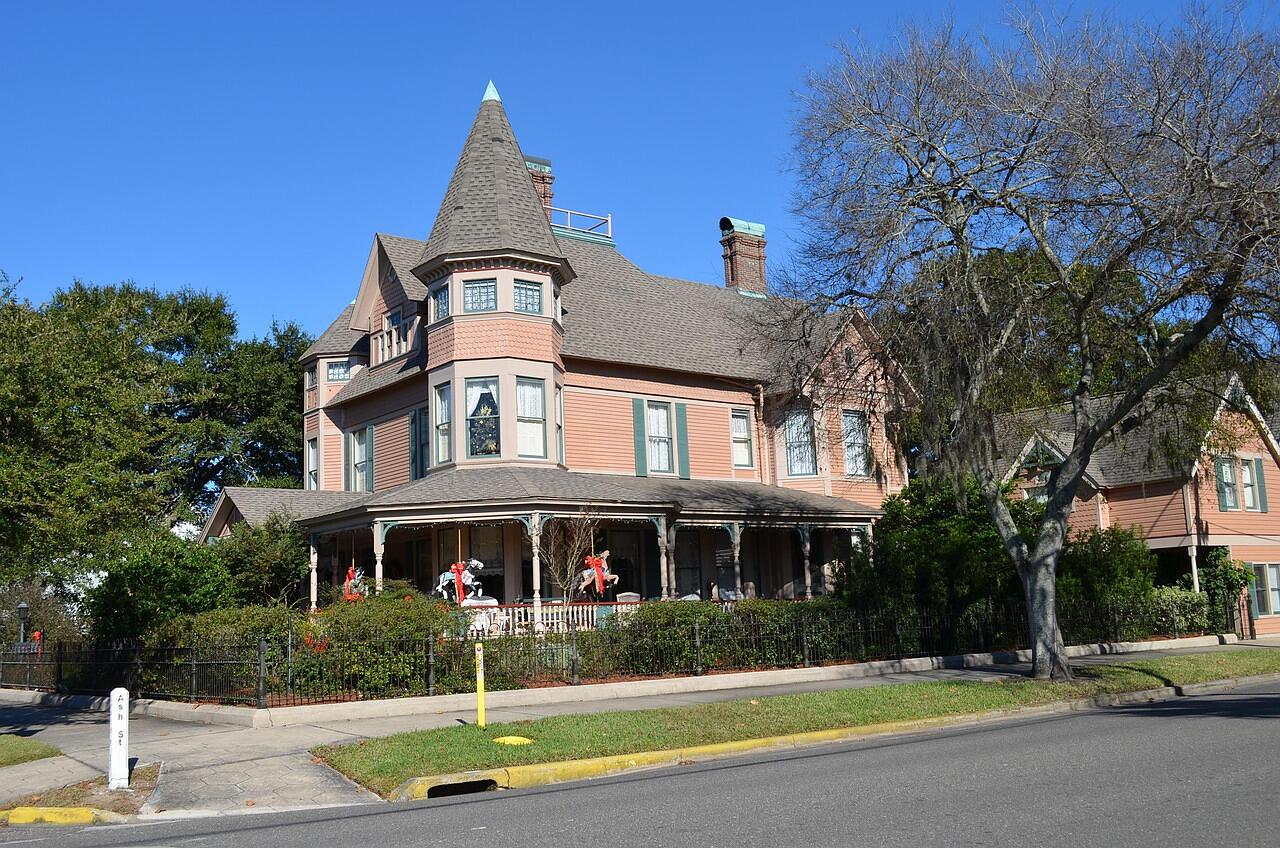
Rodent Clearance Letters in Tampa, FL
A written inspection report and clearance letter that states what was found, what was sealed and which FDACS license number stands behind it. Used at closings, lease turnovers, HOA disputes and insurance claims across Hillsborough County.
- Written report with license number
- Free inspection, work priced separately
- FDACS-licensed contractors on every job
What a rodent clearance letter includes
A rodent clearance letter is a signed, dated document from a licensed contractor stating that a named property was inspected for rodent activity, what evidence was or was not found, and what openings were closed. It comes with the inspection report behind it, so the reader can see the areas covered and the basis for the conclusion.
The letter answers a question that a verbal all-clear cannot. A buyer, a tenant, a board or an adjuster wants a piece of paper with a license number on it that says what the attic looked like on a specific day. That is what gets written.
The service has two parts. The first is a full rodent inspection of the attic, roofline, garage, exterior and any crawl space or slab edge, which is free. The second is the written product: a report of findings and, when the property is clear, the clearance letter itself. If the inspection finds live activity or open entry points, the letter waits until exclusion, trapping and a re-inspection are done, and each of those is quoted as its own line item.
Nobody on the Tampa search results offers this in writing. Firms will inspect and firms will seal, and a few will say the house is fine over the phone. A document that can be attached to a closing file or a claim is the gap.
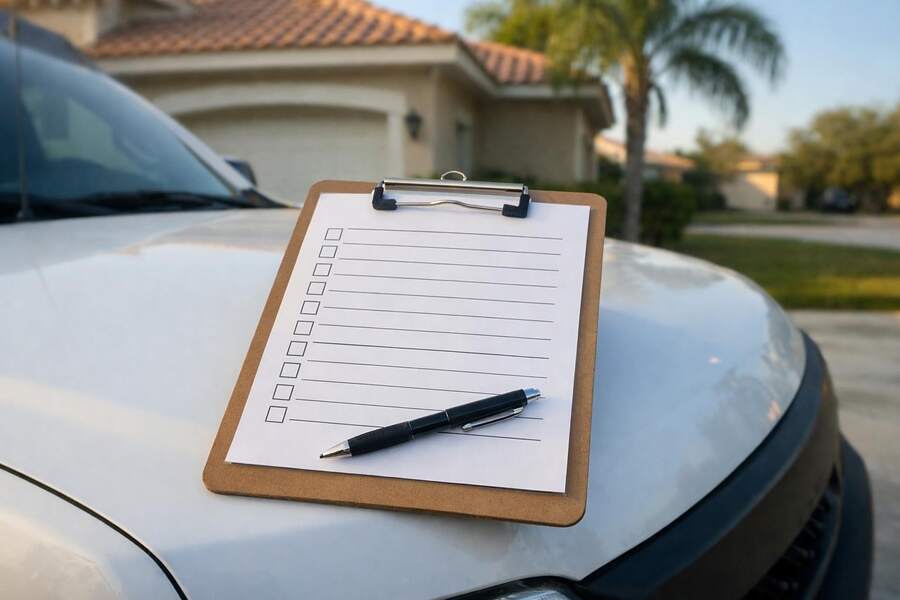
Who asks for a clearance letter in Tampa
Four situations produce almost every request: a real estate closing, a rental turnover, an HOA or condo dispute, and an insurance file.
Real estate closings
A home inspector in Tampa who lifts the attic hatch and sees droppings along a joist will write it up, and the buyer's agent will ask for it to be resolved before closing. The seller then needs two things: the work done, and proof it was done. A clearance letter with the contractor's license number closes that item on the repair addendum in a way a receipt for traps cannot. Buyers use the same letter the other way, as a condition of purchase on an older oak-canopy bungalow in Seminole Heights or Hyde Park where attic access has been limited.
Rental turnovers
Landlords and property managers use the letter at move-out and move-in. A tenant who reports scratching in the ceiling after moving in and a landlord who says the unit was clean at handover are arguing about a date. A letter that documents the condition on the day of handover settles which side of that date the problem started.
HOA and condo disputes
Boards in multifamily buildings need to decide whether a rodent problem belongs to a unit owner or to the association, and that turns on where the entry point is. A report that names the opening, its location on the roof or a shared chase, and whether it was sealed gives the board something to act on. See commercial rodent control for how association-level work is handled.
Insurance files
Adjusters handling a claim for chewed wiring, wet insulation or ceiling damage want a dated professional finding of what caused it. The report describes the evidence in the attic and the letter states what was closed. What a policy covers is the insurer's call, and the report is written to describe a condition, with no view on coverage.
What the letter states, line by line
A useful clearance letter states the property address, the inspection date, the areas inspected, the evidence found or absent, the openings sealed and the contractor's FDACS license number, and it is signed.
- Property. The full street address and, in a multifamily building, the unit or building number, so the letter cannot be read as covering more than it does.
- Date. The date of the inspection and, where work was done, the dates of the sealing, trapping and re-inspection visits.
- Areas inspected. Attic, roofline and eaves, soffits and vents, garage, exterior walls and utility penetrations, and any crawl space or raised floor. Areas that could not be reached are named as such.
- Evidence found or absent. Droppings, rub marks, gnaw damage, nesting, disturbed insulation, odor and any live or dead animals, with locations. Roof rat droppings are the diagnostic detail: UF/IFAS describes them as a quarter to half an inch long and banana shaped with pointed ends, and the report says whether they were fresh or old.
- Openings sealed. Each entry point closed, its location, and the material used, whether steel mesh, sheet metal, mortar or a replacement bird stop under the tile eave.
- License number. The FDACS license or certificate number of the contractor who inspected and sealed, which anyone reading the letter can check through the FDACS lookup.
The report behind the letter carries the photographs. Every finding and every sealed opening is photographed, because the reader of a closing file was never in the attic and the pictures are what make the statement checkable.
What the letter certifies and what it leaves open
The letter documents the condition of a property on a stated date, and it carries no warranty from us.
That distinction matters to everyone who relies on it. A roof rat can travel about 150 yards from its den, according to UF/IFAS, and Tampa has no season in which breeding stops. A clean attic in March can have a new visitor in November if a soffit panel bends in a summer storm. The letter says the attic was clean in March and lists what was sealed. It makes no promise about November.
Warranty is a separate conversation with the contractor who did the sealing. Some contractors offer a term on their exclusion work and some do not, and the terms vary. Ask whoever attends what their warranty on the sealing covers, how long it runs, whether it is renewable, and what a return visit under it costs. Get the answer in writing on the quote, alongside the letter, so the two documents do different jobs and neither is asked to do the other's.
The letter also describes what was accessible. An attic with a blown-in insulation depth that hides the ceiling joists, or a tile eave that cannot be examined without lifting tile, gets described that way. A letter that claims more than the inspector could see is worth less than one that states its limits.
What happens when the inspection finds activity
Activity found at inspection means the letter waits for a four-part sequence: exclusion, trapping, re-inspection, then the letter.
The order is fixed for a reason the whole trade agrees on. Trapping without sealing produces a steady harvest of rats and no end date. Sealing without trapping leaves animals inside a closed building, where they chew a new way out or die in a wall. The contractor seals every opening first, sets traps inside on the same visit, and leaves the traps in place for at least a week, because UF/IFAS notes roof rats are wary of new objects and take time to approach them.
Sealing methods compared
Steel mesh, sheet metal and mortar close an opening for good, and expanding foam closes it until the first rat tests it.
The UF/IFAS rat-proofing standard is a quarter inch: no opening larger than that, closed with a material rats cannot chew. On a Tampa tile roof the biggest opening is usually the gap under the first course of barrel tile, which has a name, the bird stop or eave closure, and a code-approved metal part to fill it, typically 26 gauge galvanized or aluminum, sometimes ventilated with weep holes. The Department of Energy lists installing bird stopping among its recommended measures for tile roofs. A clearance letter that lists foam as the sealing material is one a buyer's agent should question.
Trapping compared with rodenticide
Trapping is the method that produces a letter; rodenticide produces a smell.
The EPA describes most rodenticides as anticoagulants, with death coming four days to two weeks after feeding starts. A poisoned rat living in an attic dies in the attic or a wall. UF/IFAS makes the same point from the other side: trapping reduces the risk of a poisoned animal dying inside the building. For a property that needs a document saying it is clear, a carcass in a wall cavity is the opposite of the goal, so the work we route for clearance letters is trap and seal.
Re-inspection
The re-inspection is the visit that earns the letter. The contractor returns after the trapping period, checks every sealed opening for fresh gnawing, looks for new droppings on a cleared surface, and pulls the traps. A clean re-inspection produces the letter with the re-inspection date on it. Fresh sign produces another round, and the timeline shifts. HomeGuide puts trapping a small number of animals at two to three days and a severe infestation at one to two months, so a seller under contract should start early.
How long does it take to get rid of rats before a closing?
A property with no activity gets its letter after a single inspection visit; a property with activity needs at least two weeks, and a heavy infestation can run one to two months.
The two-week floor comes from the trap week. Sealing happens on day one, traps stay down for at least seven days, and the re-inspection follows. Most Tampa attics with a small roof rat population are clear at that point. Where droppings are layered, insulation is tunneled and gnawing is spread across several vents, the contractor expects several rounds and says so at the first visit.
Closing dates do not wait for rats, so the sequence has to start the day the home inspector's report lands. Two things speed it up. The first is access: an attic hatch that is clear, a garage that can be walked, and a gate code for the exterior walk. The second is a decision on scope at the first visit, so the sealing quote is approved and the work happens on the same ladder instead of on a return trip a week later.
Anyone who has been through this knows the middle part is miserable. Living under a contract deadline in a house where something is running across the ceiling at 2am, while the other side of the deal asks for updates, is a strain. The letter at the end is what makes it finish.
What a clearance letter costs in Tampa
The inspection is free, the written report and letter are priced within the standalone inspection band, and any sealing, trapping or cleanup found necessary is quoted separately as its own line item.
The bands below are typical-job ranges confirmed at the free inspection, with Tampa figures from Angi and national figures from HomeGuide.
| Item | Typical band | Source |
|---|---|---|
| Inspection with written report and letter | $0 to $175 (standalone inspection band) | HomeGuide 2026, national |
| Exclusion sealing, if openings are found | $550 to $1,642 | Angi, Tampa |
| Trapping and removal, if activity is found | $250 to $1,200 | HomeGuide 2026, national |
| Attic cleanup and decontamination, if requested | $600 to $2,500 | HomeGuide 2026, national |
What moves the number is what the inspection finds. A clear attic on a shingle roof is the bottom of the band. A tile roof with a corroded bird stop along both eaves, three gable vents with plastic screens and an AC line set penetration is a full exclusion job, and the letter follows it. The quote separates the report from the work so a seller can show a buyer exactly what was paid for what, and a buyer can see whether the number on the repair addendum matches the work listed in the letter.
Tampa properties where a letter comes up most
Requests cluster in the older oak-canopy districts, in tile-roofed newer stock changing hands, and in multifamily buildings where a board needs a finding.
Seminole Heights, Tampa Heights, Hyde Park and South Tampa down to Ballast Point carry the pre-war and mid-century bungalows and cracker houses that sit under live oaks with Spanish moss on the roofline. Roof rats are arboreal and travel along branches, wires and palms, per UF/IFAS, so a branch on a roof is a road. Home inspectors in these districts find attic evidence often enough that a clearance letter is becoming a routine closing document.
In New Tampa, Westchase and Riverview, the block and stucco stock has less canopy pressure, and tile roofs are more common. Here the letter tends to record the state of the eave closures and ridge vents on a house that has never had a problem, which is what a buyer of a ten-year-old tile roof wants to know.
Storms add a second reason. After Helene and Milton in 2024, Tampa Bay pest firms reported that damaged roofs and soffits opened new entry points and that flooding pushed rats into homes. A house that took roof damage in 2024 and is selling now may have had a repair on the tiles and no check of what got in during the weeks before the repair. The letter answers that question for the buyer.
On licensing, trapping rats in, on or under a structure for hire in Florida requires at minimum an FDACS Limited Commercial Wildlife Management certificate, and applying rodenticide requires an FDACS Commercial Structural Pest Control business license with a certified operator in General Household Pest and Rodent Control. Every contractor we route holds the FDACS credential the job needs, and that credential is the number on the letter.
What to check on the contractor before the letter is written
Check the FDACS license through the state lookup, ask for an itemized quote, ask about warranty terms on the sealing, and confirm the re-inspection is included before anyone signs a letter.
- License. Confirm the contractor's FDACS license or certificate number through the FDACS lookup before work starts. It is the same number that goes on the letter, so it has to be current.
- Itemized quote. Inspection and report on one line, sealing on another, trapping on a third, cleanup on a fourth. A single bundled figure cannot be attached to a closing file with any confidence.
- Warranty terms. Ask what the contractor's warranty on the sealing covers, how long it runs, whether it renews and what a callback costs. The letter carries no warranty, so this is where the promise, if any, lives.
- Follow-up visits. Ask how many return visits the trapping price includes and whether the re-inspection that produces the letter is one of them.
- Photographs. Ask that every finding and every sealed opening is photographed and attached to the report.
More on how a job is arranged is on the about page, and the line can be reached through the contact page. Someone answers the phone 24 hours a day.
Services that usually go with this one
Most jobs in Tampa run as a sequence, and these are the pages that describe the steps around this one.
- Rodent Inspection: A free walk of the roofline, attic and exterior that sets the sequence for the job.
- Rodent Exclusion: Closing the roofline: soffit returns, vents, tile eaves and penetrations, to the quarter-inch standard.
- Commercial Rodent Control: Kitchens, warehouses, multifamily and port-area properties, with documentation.
Questions about how the pieces fit together are answered on the about page, or by phone at any hour.
How a clearance letter gets written
The letter is the last step of a sequence that starts with a free inspection and, if anything is found, runs through sealing, trapping and a re-inspection.
-
Free inspection
The contractor inspects the attic, roofline, soffits, vents, garage, exterior penetrations and any crawl space, photographing what is found. A clear property gets its report and letter from this visit.
-
Exclusion sealing
Every opening larger than a quarter inch is closed with steel mesh, sheet metal, mortar or a replacement bird stop. Each sealed point is photographed and listed for the report.
-
Trapping
Traps go in on the sealing visit and stay for at least a week. Trapping is used instead of rodenticide so nothing dies inside the building before the letter is written.
-
Re-inspection
The contractor returns, checks every seal for fresh gnawing, looks for new droppings on cleared surfaces and pulls the traps. Fresh sign means another round.
-
The written letter
The signed letter states the property, dates, areas inspected, evidence found or absent, openings sealed and the FDACS license number, with the photographed report attached.
What to expect
The visit runs in the same order on every rodent clearance letters job, so you know what is coming before the truck arrives.
- Attic hatch and garage need to be accessible
- Every finding is photographed
- Sealing and trapping quoted as separate lines
- Traps stay down at least seven days
- Letter delivered after a clean re-inspection
Why closings, landlords and boards use this letter
A document with a license number on it
Every letter carries the FDACS license or certificate number of the contractor who inspected and sealed, and anyone reading it can check that number through the state lookup. Licensed contractors handle every job we route, so the credential on the paper matches the person who was in the attic. A closing agent, a property manager or an adjuster gets a checkable statement instead of a phone call.
FDACS Limited Commercial Wildlife Management certificate or Commercial Structural Pest Control business license, verifiable through the FDACS lookup
Sealing to the quarter-inch standard, in metal
A letter that lists foam as the sealing material is a letter a buyer's agent will question. The sealing behind these letters uses steel mesh, sheet metal, mortar and code-approved metal bird stops under tile eaves, closed to the UF/IFAS rat-proofing standard so the report can describe a material that holds. Each sealed point is listed with its location and photographed.
UF/IFAS rat-proofing standard: no opening larger than a quarter inch
Free inspection, work priced separately
The inspection that produces the report costs nothing, and the letter sits inside the standalone inspection band. Anything the inspection finds is quoted as its own line, so a seller can show a buyer what was paid for what and a landlord can file a clean invoice. Sticker shock in this trade comes from bundled numbers, and the quote is built to avoid producing one.
HomeGuide 2026 national standalone rodent inspection band: $0 to $175
What Reddit Says About Rodent Inspections and Reports in Tampa
The threads that discuss rodent contractors keep coming back to paperwork. People tell each other to get more than one bid for the same scope, because a single quote cannot be judged on its own, and to insist the quote is itemized into inspection, trapping, exclusion and cleanup. A number that arrives as one figure gets treated as a number to walk away from. There is a strong stated preference for a local operator over a national brand, and a recurring instruction to ask whether the company does the sealing and repair work itself or only sets traps.
The red flags are consistent across subreddits. Poison-only plans with no sealing draw the sharpest criticism, along with the line that poison makes rats thirsty so they leave to die, which the threads treat as a myth used to sell bait. Quotes that fold a long monthly monitoring contract into the removal price are called out, as are companies that keep coming back for months without the problem changing. Sealing without trapping and trapping without sealing both get named as half a job.
The questions people tell each other to ask fit a report almost line for line: what exactly is included and what is a separate item, whether the exclusion is warrantied and whether that warranty renews, whether cleanup is included or only trapping, how many follow-up visits are in the price, and what happens if the rats come back. Inspection fees of around $75 just to get a bid come up as a barrier, which is part of why the inspection here is free.
A written report that lists the areas inspected, the evidence, the sealed openings and the license number is those questions answered on paper, which is why it works as a closing or claim document.
A typical clearance letter request in Tampa
The situation: A 1920s bungalow in South Tampa goes under contract. The buyer's home inspector lifts the attic hatch, photographs droppings along a ceiling joist and a chewed gable vent screen, and writes it up. The repair addendum asks the seller to have a licensed contractor resolve the rodent issue and provide documentation before closing, which is three weeks away.
What gets done: The contractor we route inspects as soon as access is arranged, finds fresh droppings near the gable end and a gap where the soffit meets the fascia under an oak limb that touches the roof. The gable vent is rescreened in steel mesh, the soffit return is closed in sheet metal, a utility penetration is sealed with mortar, and traps go in the attic. The quote lists the report, the sealing and the trapping as three lines. Traps stay down eight days. The re-inspection finds the seals untouched and no new droppings on the cleared joist.
How it turns out: The letter states the address, both visit dates, the areas inspected, the evidence found at the first visit and absent at the second, the three openings sealed with their materials, and the contractor's FDACS license number, with photographs attached. The seller's agent attaches it to the addendum response, the buyer's agent checks the license number online, and the item closes. The seller is told to have the oak limb cut back before the next storm season, and that any warranty on the sealing is a matter to settle with the contractor in writing.
Clearance letter questions
The questions sellers, landlords and boards ask before ordering a written report.
What the letter covers
Is a rodent clearance letter a guarantee the house has no rats?
It is a statement of what a licensed contractor found and sealed on a stated date, and it carries no warranty from us. Roof rats breed year-round in Tampa and travel about 150 yards from a den, per UF/IFAS, so a property can be clean on the inspection date and see new pressure after a storm bends a soffit panel months later. The letter is precise about its date and its areas for that reason. Any warranty on the sealing itself is a separate matter to agree in writing with the contractor who did the work.
Will the letter say what part of the building the rats came through?
Yes, when an entry point is found. The report names each opening, where it is on the building and what it was sealed with, and the letter lists those openings. For a condo or HOA dispute this is the part that matters most, because an opening on the roof or in a shared chase is normally an association matter and an opening inside the unit boundary is normally the owner's. The report describes the location and leaves the allocation to the board and its documents.
Can the letter be used for an insurance claim?
It can be submitted with a claim as a dated professional finding of the condition in the attic and what was sealed, and the attached report carries the photographs an adjuster will ask for. What a policy covers is decided by the insurer and the policy language. The report is written to describe what was seen, with no view on coverage, which is the form adjusters can use.
Getting one written
What if the inspection finds rats and I have a closing in two weeks?
The sequence starts the day of the inspection. Sealing goes in on the first visit with traps set the same day, traps stay down at least a week, and the re-inspection follows. A small roof rat population in an attic is usually clear at that point, and the letter is dated to the re-inspection. A heavy infestation with layered droppings and tunneled insulation can run one to two months by HomeGuide's timeline, in which case the contractor says so at the first visit and the agents can plan around it.
Do I have to use trapping, or can the contractor bait the attic to move faster?
Trapping is the method behind a clearance letter. Rodenticide is an anticoagulant in most products, and the EPA puts death at four days to two weeks after feeding begins, which means an attic rat dies in the attic or a wall and the property ends up with an odor and a carcass to find instead of a clean letter. UF/IFAS notes that trapping cuts the risk of a poisoned animal dying inside the building. Rodenticide also requires an FDACS pest control business license with a certified operator, so it is a different job with a different credential.
Still have a question? Call (813) 710-4931 and ask.

Book a free inspection and get it in writing
Call (813) 710-4931 and describe the closing, lease or claim. Someone answers 24 hours a day, and the inspection that produces the report is free.