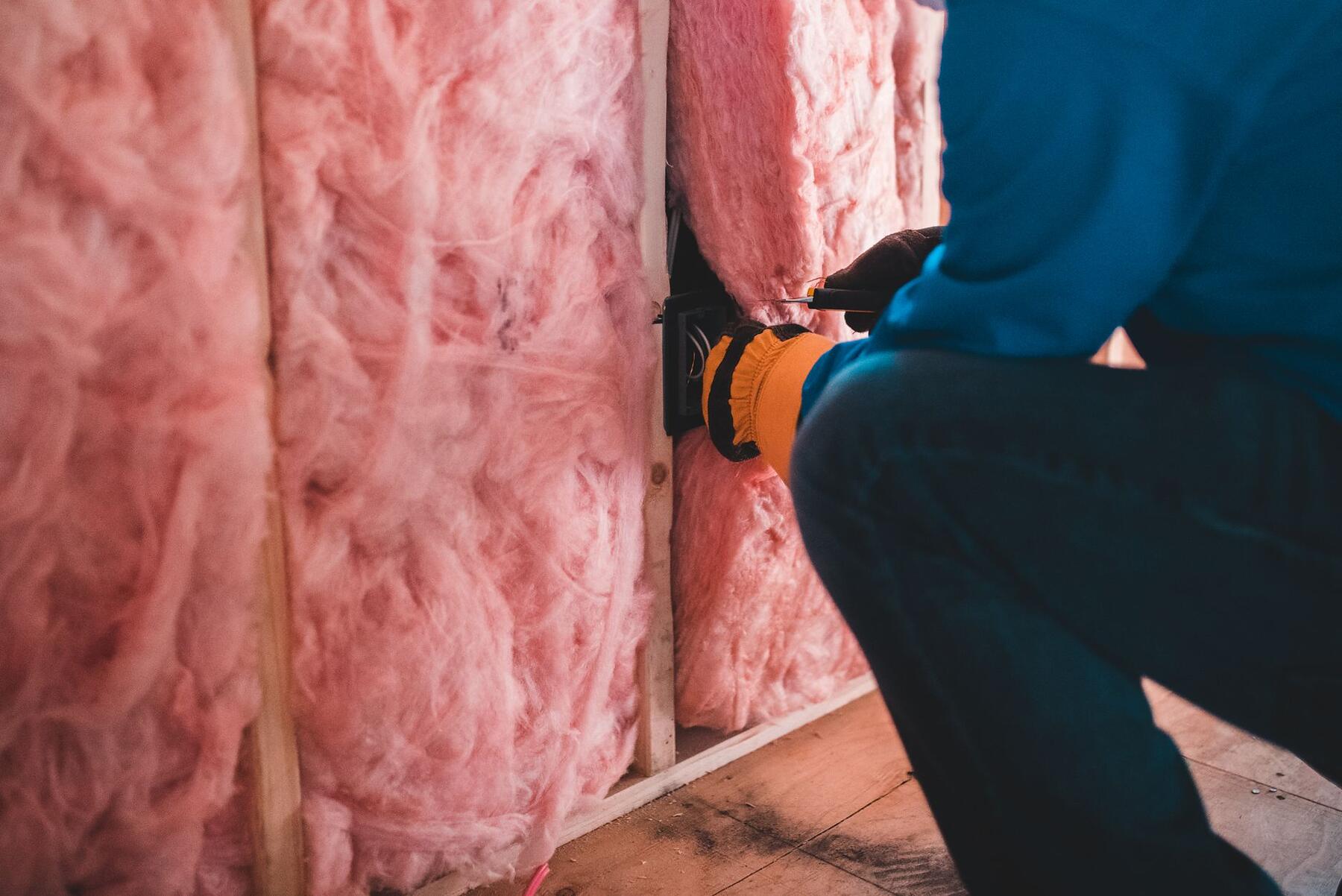
Attic Insulation Replacement in Tampa, FL
Insulation that rats have tunneled through, wet with urine or built nests into comes out and fresh blown insulation goes in, once the roofline is sealed and the attic is clean. Free inspection across Tampa and Hillsborough County.
- Free attic inspection
- Tampa cost bands published
- FDACS-licensed contractors only
What attic insulation replacement includes
Insulation replacement is the last stage of a rodent job: the contaminated material is removed, the attic is cleaned, and new insulation is blown in to the depth the attic had or better. It restores the attic to a working state after the rats have been trapped out and the roofline has been sealed.
The work has two halves that are quoted separately. Removal means vacuuming or bagging out the old blown insulation or lifting out batts, through the hatch and out to a truck, followed by the cleanup and decontamination of the exposed framing. Replacement means blowing new fiberglass or cellulose across the attic floor to an even depth, with baffles at the soffit vents so the material does not block airflow and with the hatch weatherstripped and insulated at the end.
- Removal of contaminated blown insulation or batts through the attic hatch
- Cleanup and sanitizing of the framing and decking before new material goes in
- Baffles at soffit vents to keep the attic ventilation working
- Blown fiberglass or cellulose installed to an even, measured depth
- Depth markers left in the attic so the fill can be checked
- Hatch insulated and sealed so the attic stays closed
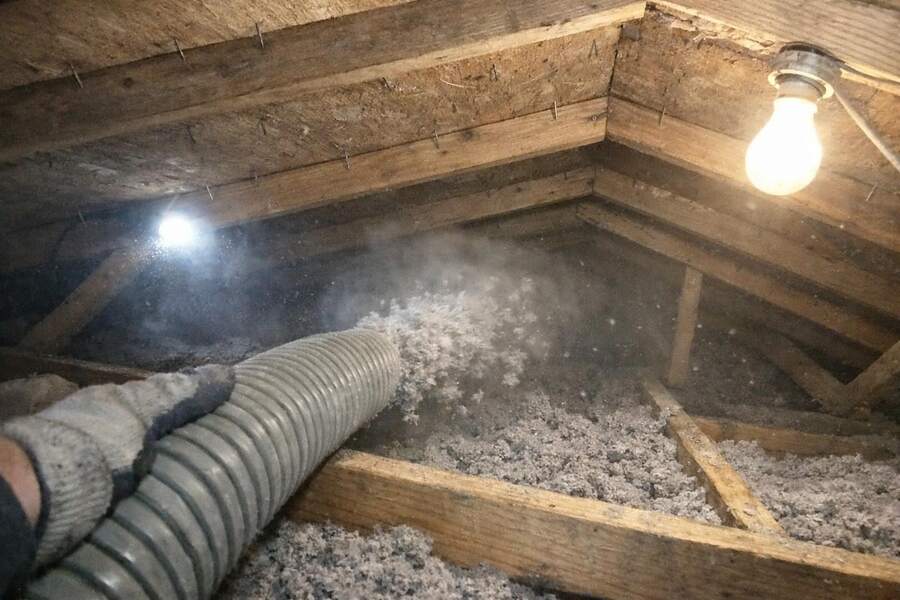
When insulation has to come out and when it can stay
Insulation comes out when it has been compressed into runs, wetted with urine, or built into nests, and it stays when contamination is confined to one area and the rest is dry and loose. That judgment is made in the attic with a light, and the inspection photographs are what a homeowner should ask to see before agreeing to a full replacement.
Three conditions settle it.
- Compressed runs: rats travel the same paths for months and flatten the insulation into tunnels. The Department of Energy notes that insulation which has been compressed does not deliver its rated R-value, so the flattened runs have stopped doing their job even where they look intact from a distance.
- Urine wetting: roof rats urinate along their routes and around the nest. DOE also notes that wet insulation performs poorly, and urine-soaked material carries the ammonia smell that comes through the ceiling on hot afternoons.
- Nests: shredded insulation packed with paper, palm fiber and food remains, often against a warm duct. A nest pocket cannot be cleaned in place.
Where these conditions cover most of the attic, full removal is the right recommendation. Where they are limited to one corner or a single joist run, the contractor we route removes the affected material, cleans the area, and tops up with matching insulation. Nobody should be quoted a full attic replacement without being shown why.
Why replacement comes after exclusion and cleanup
New insulation goes in last because it is the one part of the job that cannot be undone cheaply. Blow in fresh fiberglass while a soffit gap is still open and the next rat tunnels through it within the season. The sequence is exclusion, then trapping until the attic is quiet, then cleanup, then insulation.
Exclusion closes the roofline to the UF/IFAS quarter-inch rat-proofing standard with steel mesh at soffit returns and gable vents, metal bird stops along tile eaves, and sealed penetrations at AC line sets and cables. Trapping removes what is already inside; UF/IFAS advises leaving traps at least a week since roof rats are wary of anything new. Cleanup strips the old material and sanitizes the framing. Only then does the blowing hose go in.
There is a practical bonus to doing the insulation last. With the old material out, the attic floor is bare and every top plate, wire penetration and duct boot is visible. That is the moment to air-seal the ceiling plane with foam or caulk at the wiring holes and plumbing stacks, which improves how the new insulation performs and closes the small openings that let rats move from the attic into wall cavities. The exclusion page covers the roofline side of that work.
Blown fiberglass, cellulose and borate-treated cellulose compared
Blown fiberglass and blown cellulose are the two materials that go into vented Florida attics, and both are installed with the same hose and blower through the hatch. Batts are rarely the right answer in a Tampa attic with irregular joist spacing and ductwork on the floor, because they leave gaps.
Blown fiberglass
Blown fiberglass is loose glass fiber that fills between and over the joists to a measured depth. It does not absorb moisture the way cellulose can, it is lighter, and it is the material most Tampa contractors carry on the truck. Rats can still tunnel through it, which is why it goes in only after the roofline is sealed.
Blown cellulose
Cellulose is recycled paper fiber treated for fire resistance. It settles denser than fiberglass and is often chosen for older houses where a denser fill helps with the uneven framing of a pre-war attic. It holds moisture longer if the roof leaks, which matters in a climate with a June to September rainy season.
Borate-treated cellulose
Borate-treated cellulose is one option some contractors offer, marketed as a pest-control insulation because the borate treatment deters insects. It is applied as a regular blown cellulose product and requires the same sealed roofline as any other material. Treat it as a material choice with a price attached, and ask what the treatment claims to do and what it does not.
| Material | Character | Fits when |
|---|---|---|
| Blown fiberglass | Light, does not hold moisture, widely carried | Most Tampa attics, including newer block and stucco homes |
| Blown cellulose | Denser, settles into uneven framing | Older attics with irregular joists, pre-war and mid-century houses |
| Borate-treated cellulose | Cellulose with an insect-deterrent treatment | Where a contractor offers it and the price makes sense |
Whichever material goes in, ask for the target depth, the number of bags used for the attic size, and depth markers left in place. Those three things let you check the fill without going up yourself.
Will you clean up and decontaminate, or only trap?
Ask this before any company starts, because trapping-only plans leave the insulation exactly as the rats left it. The answer to look for is that the quote covers trapping, sealing, cleanup and insulation as four separate lines, and that the last two are done after the first two.
Homeowners who skip this question tend to discover the problem months later, when the ammonia smell comes through the ceiling on a summer afternoon or an energy bill climbs. The compressed runs and wet patches under the surface of the insulation are invisible from the hatch, and a trapping company that never went past the hatch will not have mentioned them. The free inspection photographs the attic floor, which is the only way to know what is under there.
What keeps rats away permanently?
Closing the building keeps them out, and new insulation on its own does nothing to stop them. No insulation product, including treated cellulose, blocks a rat that has an open soffit return to use. The permanent fix is the exclusion that precedes the insulation: steel mesh, metal bird stops and sealed penetrations at every opening a half-inch or larger, since UF/IFAS gives half an inch as the opening a rat needs and a quarter inch as the standard to seal to.
That is why the order of work matters more than the material. A Tampa attic with fresh insulation and an unsealed roofline is a comfortable, warm, freshly bedded home for the next roof rat off the oak branch. A sealed attic with the old insulation still in it is at least closed. Do the sealing, confirm the trapping, then spend on the insulation, and the new material stays clean.
What attic insulation replacement costs in Tampa
Angi's Tampa figures put attic insulation removal at $600 to $1,200, with replacement adding $1,000 to $3,000 on top, so a combined removal and replacement in Tampa lands in a typical band of roughly $1,600 to $4,200. HomeGuide's 2026 national figure is $2.50 to $5.50 per square foot for removal and replacement together. These are typical-job bands and the free inspection turns them into a number for your attic.
| Item | Typical band | Source |
|---|---|---|
| Attic insulation removal | $600 to $1,200 | Tampa, Angi |
| Insulation replacement (added to removal) | $1,000 to $3,000 | Tampa, Angi |
| Removal and replacement together | $2.50 to $5.50 per sq ft | National, HomeGuide 2026 |
| Attic cleanup and decontamination | $600 to $2,500 | National, HomeGuide 2026 |
A worked example by attic size
A 1,200 square foot attic, which matches a smaller Seminole Heights bungalow, comes to a national band of $3,000 to $6,600 at $2.50 to $5.50 per square foot; a 2,000 square foot attic in a newer Westchase or Riverview house comes to $5,000 to $11,000 on the same national rate. The Tampa combined band of $1,600 to $4,200 sits below the national per-square-foot math for most homes, and the inspection settles which applies to yours. Both are bands to budget against, and each part of the job is priced on its own line.
The factors that move the number within a band are these.
- Attic square footage and the target depth of the new fill
- Material: fiberglass, cellulose or treated cellulose
- How much of the old material has to come out: a section or the whole attic
- Access through a closet hatch, a garage pull-down stair or a walk-up
- Ductwork, wiring and the air handler on the attic floor, which slow both removal and fill
- Whether air sealing of the ceiling plane is added while the floor is bare
Tampa attics and what gets replaced in them
Tampa's housing is slab-on-grade with vented attics, and most of it carries blown fiberglass or cellulose on the attic floor, which is the material rats tunnel through. Soffit, gable, ridge and off-ridge vents feed air through the attic and, when their screens are plastic or light wire, feed roof rats in from the canopy. Replacement work in this market is nearly always a roof rat aftermath: the arboreal rat comes off an oak limb or a palm frond onto the roof, enters at the eave, and beds down in the insulation.
The oak-canopy districts produce the heaviest damage. Seminole Heights, with its 1912 to 1928 historic core and about three in ten homes in Old Seminole Heights built before 1950, has attics with decades of layered insulation and framing that suits a dense cellulose fill. Hyde Park, Tampa Heights and the South Tampa and Ballast Point streets where Spanish moss touches the roofline see the same pattern. New Tampa, Westchase and Riverview have lower canopy pressure and cleaner attics, and their replacement jobs tend to be partial: one run from a soffit gap to a nest against the air handler.
Season shapes the schedule. Attic calls peak in the November to February cool snaps and through the September to March citrus season, so a lot of insulation work lands in winter, which is the comfortable time to do it. Summer replacement runs early morning because a vented attic under a Florida roof is a punishing place by midday. Storms shape it too: the Department of Energy documents that storms break and displace roof tiles, and after Helene and Milton in 2024 Tampa Bay pest firms reported a run of rodent calls from opened rooflines. Insulation that got rained on through a lifted tile and then tunneled by a displaced rat is a replacement candidate on both counts.
Tile roofs carry a specific Tampa point. The gap under the first course of barrel tile is a named building component, closed with a code-approved metal bird stop, and the Department of Energy lists installing bird stopping among its recommended tile-roof measures. A missing or corroded bird stop leaves a rat-sized void along the entire eave. Closing it with metal, against a blob of expanding foam, is the difference between a sealed roofline and one that opens again, and it decides whether the new insulation stays clean.
What to check on the contractor before the insulation goes in
Check the FDACS credential of whoever is handling the rodent side of the job. Trapping rats in, on or under a structure for hire in Florida needs at minimum an FDACS Limited Commercial Wildlife Management certificate, and rodenticide use or a general pest business needs an FDACS Commercial Structural Pest Control license with a certified operator in General Household Pest and Rodent Control. Every contractor we route holds the FDACS credential the job needs, and the FDACS license lookup lets you confirm it in a minute before work starts. Insulation on its own is a building trade; where the same company does both, ask which license covers which part.
Then read the quote for the insulation specifically. It should state the attic square footage, the material, the target depth, and whether removal, cleanup and replacement are separate lines. Ask whether baffles at the soffit vents are included, whether the hatch will be insulated and sealed, and whether depth markers will be left. Ask about warranty terms on the exclusion that precedes it: the length, whether it renews, and how many follow-up visits are included, because the exclusion warranty is what protects the new insulation. How the connection works is on the about page, and the contact page has the phone line and form.
Services that usually go with this one
Most jobs in Tampa run as a sequence, and these are the pages that describe the steps around this one.
- Attic Cleanup and Decontamination: Removing droppings and contaminated insulation, then sanitizing the attic.
- Rodent Exclusion: Closing the roofline: soffit returns, vents, tile eaves and penetrations, to the quarter-inch standard.
- Rodent Inspection: A free walk of the roofline, attic and exterior that sets the sequence for the job.
Questions about how the pieces fit together are answered on the about page, or by phone at any hour.
When insulation has to come out
How to tell whether the material is finished.
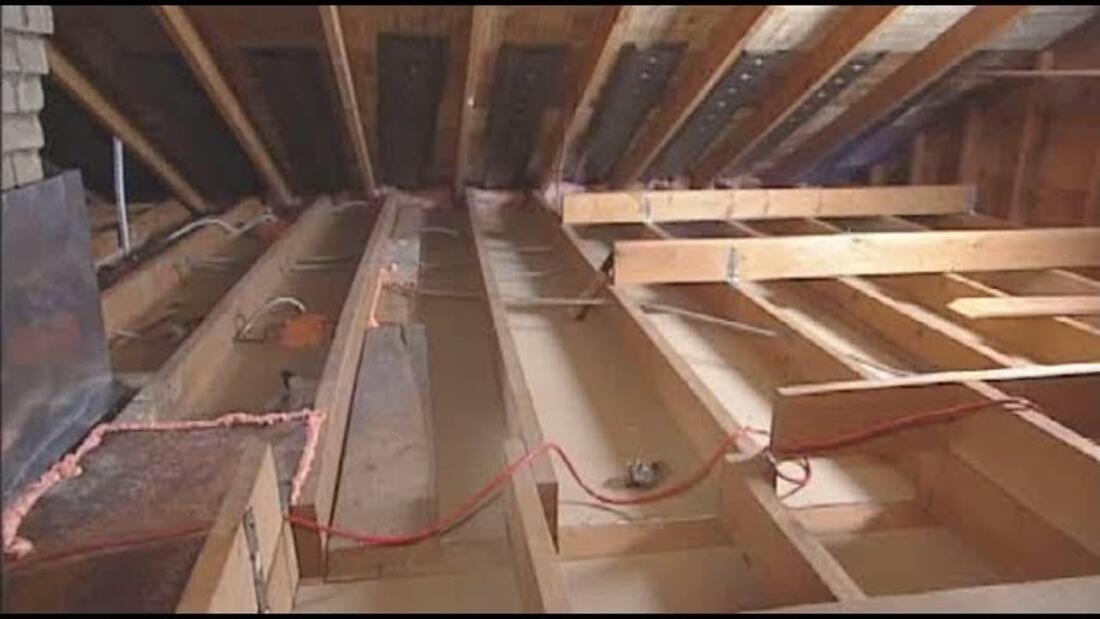
Video: When Should You Remove Old Attic Insulation?, from CrewcutTV.
How an insulation replacement job runs in Tampa
Sealing comes first, the attic is emptied and cleaned, and the new insulation goes in last.
-
Free inspection with photographs
Whoever attends checks the attic floor with a light, photographs compressed runs, wet patches and nests, and walks the roofline for the openings. The scope prices removal, cleanup and replacement as separate lines.
-
Exclusion of the roofline
Soffit returns, gable vents, tile eaves and utility penetrations are closed with steel mesh, metal bird stops and sealant to the quarter-inch standard, so the new insulation cannot be tunneled.
-
Trapping until quiet
Traps sit on the runs for at least a week and stay until several consecutive checks are empty.
-
Removal and cleanup
Old insulation is vacuumed or bagged out through the hatch, droppings and nests are removed, and the framing is sanitized and treated for odor.
-
Air sealing and new insulation
Wiring and plumbing penetrations in the ceiling plane are sealed while the floor is bare, baffles go in at the soffits, and fiberglass or cellulose is blown to the target depth with markers left in place.
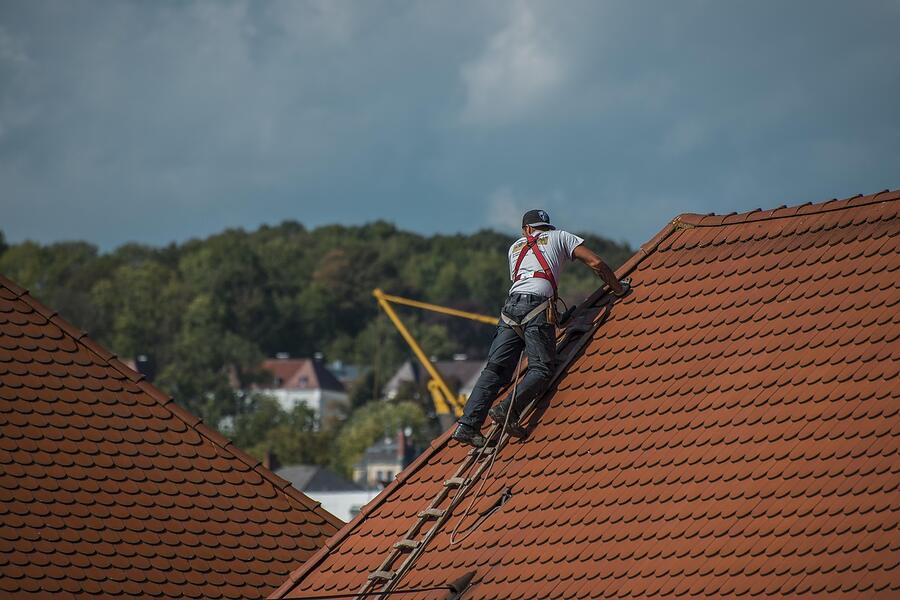
What to expect
The visit runs in the same order on every attic insulation replacement job, so you know what is coming before the truck arrives.
- Hatch area and floors below covered before removal
- Vacuum and blower hoses run through the hatch from the truck
- Baffles fitted at soffit vents before the fill
- Depth markers left in the attic for checking
- Hatch insulated and weatherstripped at the end
Why Tampa homeowners book insulation replacement through us
Tampa cost bands on the page
Angi's Tampa figures for insulation removal and replacement are published above so the quote you get at the inspection can be judged against something. Nobody else ranking for this work in Tampa shows a number. Every quote we route lists removal, cleanup and replacement as separate lines with the square footage, material and target depth stated, which is the only way to compare it fairly with another bid on the same attic and to see where a bundled figure is hiding a full replacement you were never shown the reason for.
Tampa: removal $600 to $1,200, replacement adds $1,000 to $3,000 (Angi)
Insulation goes in after the sealing, every time
The contractor we route will not blow new insulation into an attic with an open roofline. The order is exclusion to the quarter-inch standard, trapping until the attic has been quiet for several checks, cleanup of the old material, then insulation, with the ceiling plane air-sealed while the floor is bare. It is a slower order than a one-visit company offers, usually two to four weeks from the first visit, and it is the order that keeps the new material clean for the years it is supposed to last.
UF/IFAS rat-proofing standard: seal every opening to a quarter inch
FDACS-licensed contractors handle the rodent work
Trapping rats in a structure for hire in Florida requires at minimum an FDACS Limited Commercial Wildlife Management certificate, and pesticide use or a general pest business needs an FDACS Commercial Structural Pest Control license with a certified operator in General Household Pest and Rodent Control. Every contractor we route holds the credential the job needs. You can confirm it through the FDACS lookup before the first visit, and where one company does both the rodent work and the insulation, ask which license covers which part of the job.
FDACS Limited Commercial Wildlife Management certificate or Commercial Structural Pest Control license
What Reddit Says About Attic Insulation Replacement in Tampa
Homeowners in the threads treat insulation replacement as the line item most likely to be oversold, and the advice they give each other is to get several bids for the identical scope and to demand that removal, cleanup, sealing and new insulation appear as separate numbers. Quotes posted for similar-sounding jobs range from under two thousand dollars to tens of thousands, and the difference is nearly always whether a full attic replacement was bundled in and whether anyone showed the homeowner why.
The red flags are specific. A company that recommends replacing all the insulation without photographs of the contamination. A company that traps and leaves, with the attic untouched, so the homeowner learns about the tunnels and the smell later. Any plan built on poison with no sealing, which the threads associate with rats dying in walls and ceilings under the insulation. And long monitoring contracts folded into a removal price, with monthly fees that were never explained.
The questions people tell each other to ask are direct: what exactly is included, is the sealing warrantied and does the warranty renew, will you clean up and decontaminate or only trap, how many follow-up visits are included, and what happens if they come back. Timelines come up too: people report jobs stretching across months, and several posters say nobody warned them that the insulation would wait until the trapping was finished. A few threads mention rodent mites lingering in old nest material after the rats are gone, which is one of the practical reasons people give for wanting the material out.
The free inspection is built to answer those questions with photographs of the attic floor and a quote that prices each part on its own line.
A typical insulation replacement call in Tampa
The situation: A common call comes from a Craftsman bungalow in Seminole Heights, built in the 1920s, with a live oak over the back of the roof. The owners had rats trapped out the previous winter by a company that did nothing to the roofline. This summer the ammonia smell through the hall ceiling has become impossible to live with, and the July power bill is the highest they have seen. They feel embarrassed to have guests over and have started to wonder whether they are overreacting.
What gets done: The inspection finds the attic floor holds two generations of insulation, old batts under blown fiberglass, flattened into runs from the soffit to a nest against the air handler, with wet, stained material around the nest. The roofline has open soffit returns at both gables. Steel mesh closes the returns, traps confirm the attic is empty over ten days, and then the crew strips the whole attic floor over two early mornings, sanitizes the framing, seals the wiring and plumbing holes in the ceiling plane, fits baffles at the soffits and blows dense cellulose to the target depth with markers left along the joists.
How it turns out: The smell goes with the old material. The attic has a single, even layer of insulation for the first time in decades, the roofline is closed with metal, and the owners have a photographed record of the attic before and after and a written scope with each part priced.
Insulation replacement questions from Tampa homeowners
Straight answers to the questions that come up when insulation is on the quote.
Deciding whether to replace
Do I really have to replace all the insulation, or can the rest stay?
The rest can stay when the contamination is confined to one area and the remaining material is dry and loose. The insulation that has to go is the material rats compressed into runs, wetted with urine, or built nests into. The Department of Energy notes that compressed insulation does not deliver its rated R-value and wet insulation performs poorly, so flattened and stained material has stopped working regardless of how it looks. Ask the contractor to photograph the attic floor and show you where the damage stops. A full replacement should come with that evidence, and a partial replacement with matching material is a legitimate quote when the evidence supports it.
Can new insulation go in before the rats are trapped out?
No, and a company that offers to do it in one visit is skipping the part that protects your money. Fresh insulation in an attic with an open soffit return is a warm, freshly bedded home for the next roof rat off the oak branch. The order is exclusion to the quarter-inch UF/IFAS standard, trapping until the traps have been empty for several checks, cleanup of the old material, then the new fill. UF/IFAS advises leaving traps at least a week because roof rats are wary of new objects, so the wait between sealing and insulation is usually two to four weeks on a Tampa job.
Materials and cost
Is the borate-treated cellulose worth paying extra for?
It is one option some contractors offer, and it should be judged as a material choice with a price attached. Borate-treated cellulose is blown cellulose with an insect-deterrent treatment, installed the same way as any other loose fill, and it needs the same sealed roofline as fiberglass does, because no insulation product stops a rat that has an opening to use. Ask what the treatment is claimed to do, what it is not claimed to do, and what the price difference is against plain fiberglass or cellulose for your attic size. If the answer is clear and the number is reasonable, it is a fair choice.
How much does it cost to replace attic insulation in Tampa?
Angi's Tampa data puts removal at $600 to $1,200 with replacement adding $1,000 to $3,000, so a combined job typically lands between about $1,600 and $4,200. HomeGuide's 2026 national rate for removal and replacement is $2.50 to $5.50 per square foot, which for a 1,500 square foot attic works out to a band of $3,750 to $8,250. Attic size, material, how much has to come out, access and what is on the attic floor move the number within the band. The free inspection gives you a quote with removal, cleanup and replacement on separate lines.
Still have a question? Call (813) 710-4931 and ask.

Get the attic insulated again, in the right order
Book a free inspection and get the attic floor photographed and removal, cleanup and new insulation priced on separate lines. The line is answered 24 hours a day.