Rodent Removal in Palm Harbor, FL
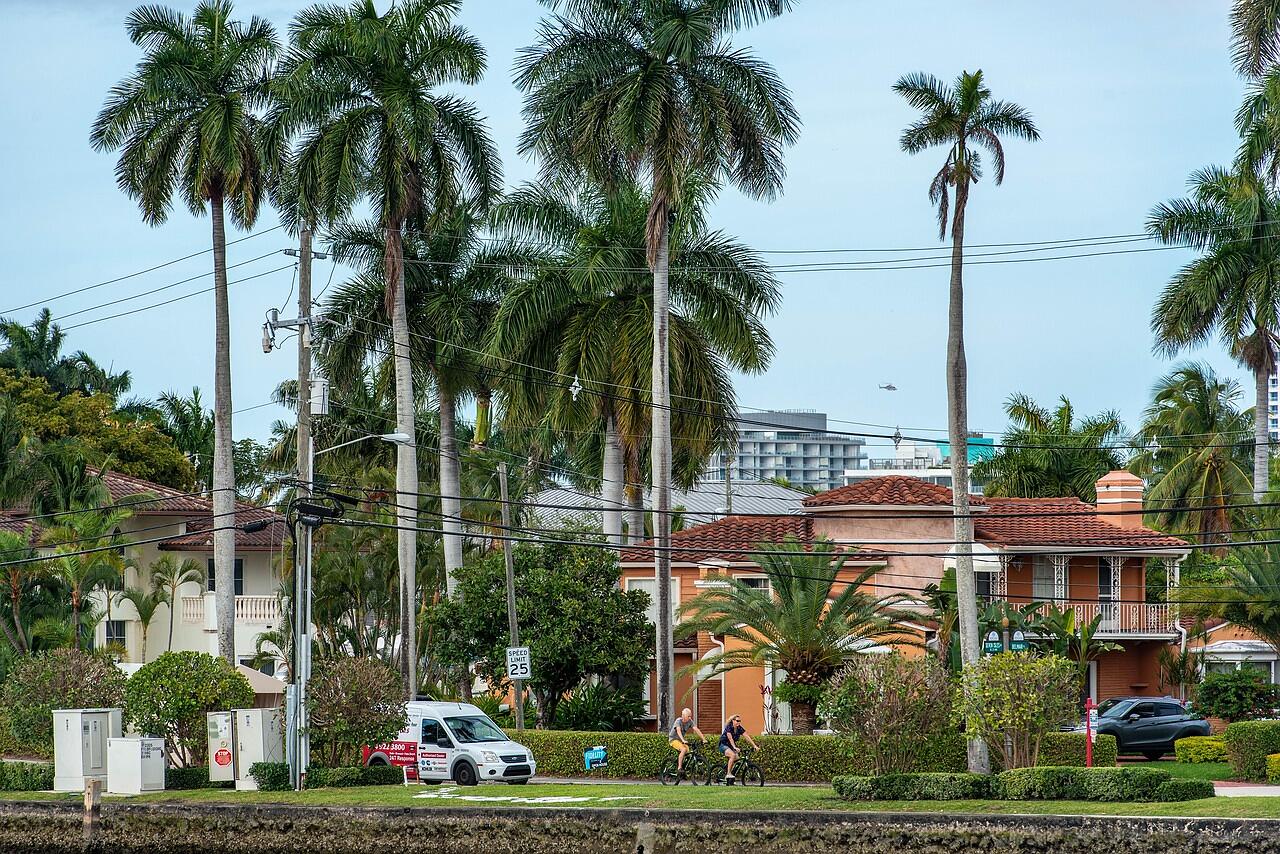
Palm Harbor runs from tile-roof subdivisions around Lake Tarpon to century-old cottages under the oaks at Ozona, and the roof rat uses each differently. The free inspection finds the opening on your house and the quote lists what closes it.
- Free tile-eave and attic inspection
- Phone answered around the clock
- FDACS credential, confirmed by lookup
Free Inspection in Palm Harbor
A free inspection on a Palm Harbor house covers the roofline first, because the openings a roof rat uses on both the newer tile-roof subdivisions and the old coastal cottages are at the eaves. Whoever attends checks the eave course under the first row of barrel tile for a missing or corroded bird stop, the soffit returns and off-ridge vents, the gable screens, the AC line set and the pool-equipment and lanai penetrations that come with a screened enclosure, then goes into the attic to read the droppings and the runs in the insulation. On a cottage in Ozona or downtown, the rafter tails, porch additions and pier foundation get the same attention. The quote that follows is itemized: trapping, sealing and cleanup on separate lines.
Palm Harbor is unincorporated Pinellas County, about twenty-two miles north of downtown St. Petersburg and a drive from the Tampa office across the Courtney Campbell or by way of Tampa Road, and the phone is answered 24 hours a day. Pinellas County is inside the service area, and every contractor we route holds the FDACS credential the job needs, which you can confirm through the FDACS lookup before work starts. Book a free inspection and we will arrange the response.
Tile roofs in the subdivisions from the 1980s onward
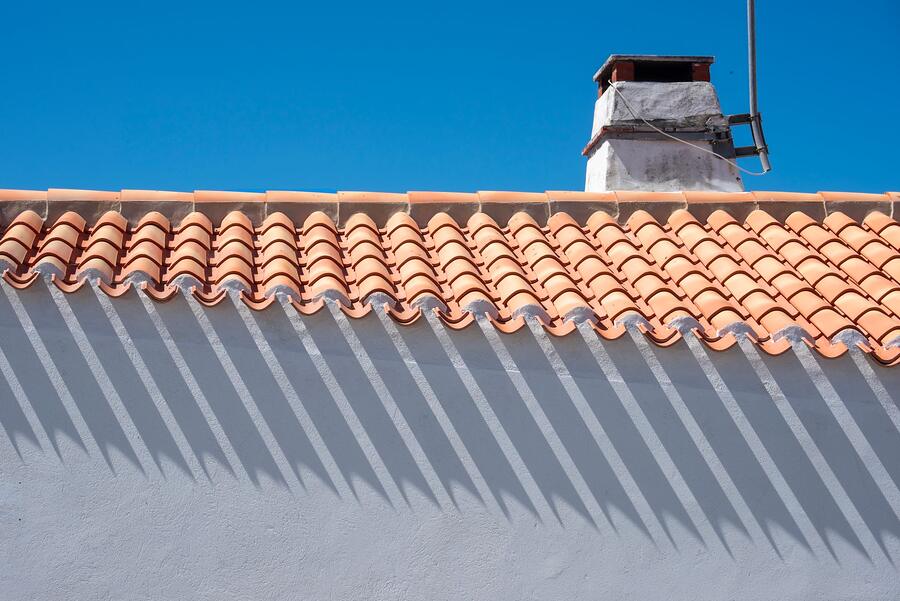
Most Palm Harbor rat calls come from the subdivisions built from the 1980s onward, and on those houses the way in is the tile eave. North Pinellas was among the last parts of the county to fill in, and the neighborhoods that spread east toward Lake Tarpon and the East Lake corridor, with names like Lansbrook among them, were laid out in the decades when barrel and flat concrete tile became the standard roof on a new Florida house. A tile roof has an open course under its first row unless a bird stop was fitted, and a bird stop is a named code-approved metal closure, typically 26 gauge galvanized or aluminum and sometimes ventilated with weep holes, that the Department of Energy lists among its recommended tile-roof measures. Where it was left out or has corroded, the eave is a rat-sized slot the full length of the house.
The other openings on this stock are the soffit returns at the gables, the off-ridge vents, the line set through the block, and the corners where a screened pool enclosure meets the fascia. A two-story house adds high gable vents that nobody has looked at since the builder left. Rodent exclusion on a Palm Harbor tile roof means fitting the manufactured metal closure the length of both eaves and screening the rest in quarter-inch steel to the UF/IFAS rat-proofing standard, which is the difference between a job that ends and a bead of expanding foam that a rat chews through by spring.
The cottages of Ozona and downtown Palm Harbor under the coastal oaks
The old part of Palm Harbor gives the roof rat a canopy and a cottage with open eaves. Ozona, on the St. Joseph Sound shore north of Dunedin, has been settled since a first homestead in 1875, and the downtown around the old Sutherland railroad stop dates to the Orange Belt Railway's arrival in 1890 and the years after the town took its present name in 1925. The houses there are wood-frame and block cottages on small lots under live oaks and old palms, many with a porch enclosed later, a roof-over, or a Florida room added at the back. UF/IFAS describes the roof rat as an animal that travels along branches, wires and palm trunks and can range about 150 yards from its den, and a limb that rests on a cottage roof under that canopy is a ramp.
On a cottage the openings are open rafter tails, a gap where the addition roof meets the original, a chewed corner of the fascia and, on the pier-built houses, the crawl space under the floor. The contractor we route screens the rafter tails and the crawl space perimeter in steel mesh, closes the addition joints in sheet metal, and traps in the attic and under the floor at the same visit. Roof rat removal covers the trapping; dead rodent removal is there for the smell in a porch wall that started the call.
Lake Tarpon, the shoreline and the surge from Helene
Water is on two sides of Palm Harbor, and each side pushes rats toward houses in its own way. Lake Tarpon, the largest freshwater lake in Pinellas County at more than two and a half thousand acres and fed by Brooker Creek and South Creek, has a shoreline of subdivisions, docks and reedy edges that hold rats year-round; a lakefront house with a dock, a seawall and a lanai has more harborage within a rat's range than a house in the middle of a block. On the Gulf side, Helene's surge in September 2024 flooded roughly five hundred of the six hundred homes in Baywood Village, put around thirty inches of water inside some of them, flooded a manufactured-home community on the sound by several feet, and piled dozens of boats onto each other at the marina in Ozona, as major news reported at the time.
Flooded streets produce rats in the weeks that follow: Tampa Bay pest firms reported a surge in calls after Helene and Milton, as after Ian and Irma, with displaced rats moving into damaged houses and curbside debris serving as harborage. The CDC ties leptospirosis increases to hurricanes and floods, names rodents among the reservoirs, and recommends rodent control as post-flood prevention. A post-storm rodent inspection is the fit for a Baywood Village or Crystal Beach house still in repair, and a rodent inspection is the fit for a Lake Tarpon lot with activity at the seawall.
What We Handle in Palm Harbor
Palm Harbor work splits between tile-eave sealing on the subdivisions and cottage and crawl-space work in the old coastal core, and the contractor we route does both.
- Roof rat removal: trapping in the attics of the tile-roof subdivisions and the cottages under the Ozona oaks.
- Rodent exclusion: manufactured bird stops the length of the tile eaves, steel mesh at gables, soffit returns, line sets and the crawl space on a pier-built cottage.
- Rodent inspection: free, with each opening listed and photographed, including the lanai and pool-equipment penetrations.
- Attic cleanup: contaminated insulation out, the space treated, scheduled early in the morning in summer.
- Attic insulation replacement: blown insulation back to depth where the old fill was flattened along the runs.
- Post-storm rodent inspection: for the surge-flooded streets on the sound and any roof that lost tile in Milton.
- Rodent clearance letters: a written result for a sale in a subdivision where the buyer's inspector found droppings.
A Typical Palm Harbor Job
The situation: A common Palm Harbor call comes from a two-story house east of US 19 with a concrete tile roof from the late 1980s, where the owner hears running above the master bedroom in the hour before dawn and has found hollowed oranges under the tree by the pool cage. The buyer's inspector at a neighbor's sale found droppings in that attic, and the owner has started sleeping with the television on to cover the sound.
What gets done: The free inspection finds roof rat droppings, a quarter to half an inch long with pointed ends, along the top of the insulation at the eave line, and an eave course with no bird stop on either side of the house; the tile was laid over a bare batten. The contractor we route fits the manufactured metal closure the full length of both eaves, screens the high gable vents from a ladder, seals the line set, and sets traps in the attic, leaving them at least a week as UF/IFAS advises. The orange tree gets cut back from the cage.
How it turns out: The catches stop inside the second week, the follow-up finds the insulation undisturbed, and the owner gets a written list of the closures with photographs of the new eave metal, which the next buyer's inspector will find instead of droppings.
What This Costs in Palm Harbor
A Palm Harbor rodent job usually prices within the published Tampa area and national bands, and a long tile eave is the item most likely to put the sealing line toward the top of its band.
| Work | Tampa area (Angi) | National (HomeGuide 2026) |
|---|---|---|
| Standalone inspection | Free through the call | $0 to $175 |
| Trapping and removal | Most visits $441 to $1,716; average $1,078 | $250 to $1,200 |
| Whole-home exclusion | $550 to $1,642 | $500 to $2,500 |
| Attic cleanup and decontamination | $600 to $2,500 | |
| Insulation removal and replacement | Removal $600 to $1,200, replacement another $1,000 to $3,000 | $2.50 to $5.50 per sq ft |
| Dead rodent removal | $150 to $500 |
The free inspection is what turns a band into a figure for your roof. Ask whoever attends to price the eave closure as its own line so you can see what the metal costs against the foam a cheaper quote will use, to say how many follow-up visits are included, and to state in writing what the warranty on the sealing covers.
Materials that keep rodents out
A comparison of what actually holds at a gap.
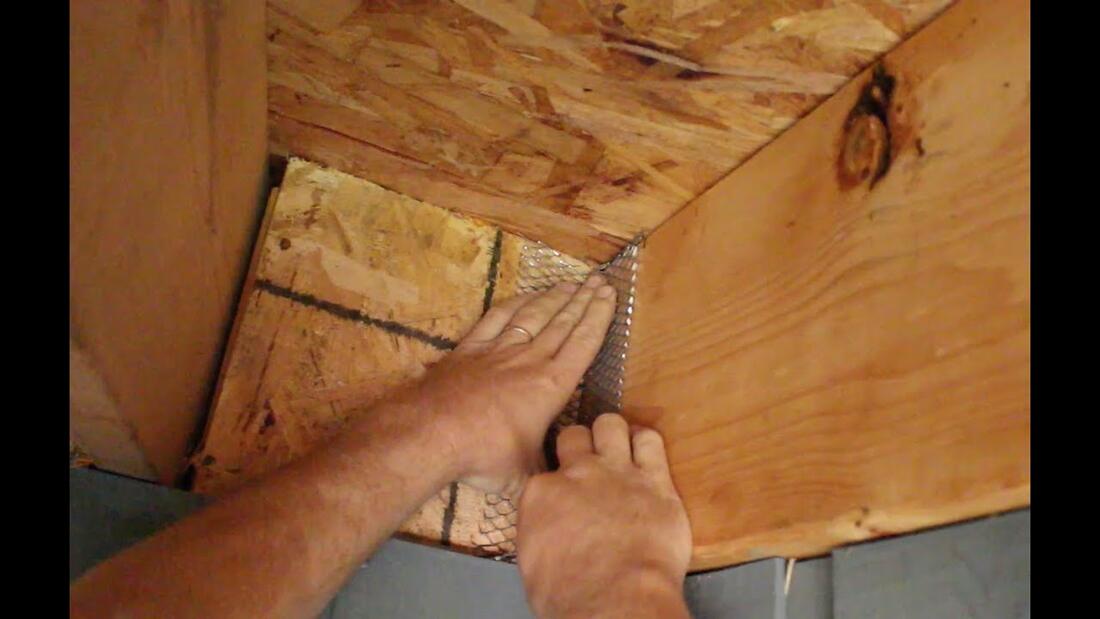
Video: How to keep mice out. Cheaper than hardware cloth, from Ontario Lakeside.
Common Questions in Palm Harbor
What callers from Palm Harbor ask before booking.
Tile roofs and old cottages
Why does my tile roof in Palm Harbor keep getting rats?
The eave under the first row of tile is open unless a bird stop was fitted, and on many Palm Harbor roofs from the 1980s and 1990s it was left out or has corroded away. That leaves a slot the length of the house that a rat walks into from a gutter or a limb. Foam pushed into it lasts a season. The fix is the manufactured metal closure, typically 26 gauge galvanized or aluminum, fitted the full length of both eaves, which the Department of Energy lists among its tile-roof recommendations. The contractor we route fits that and screens the gables and soffit returns in steel at the same visit.
Is it safe to do exclusion before trapping?
Sealing first is the right sequence as long as traps go into the attic on the same visit, so anything inside is caught instead of chewing out through a ceiling. On a Palm Harbor tile roof the sealing is the long eave closure plus the gables and vents, and the traps stay in at least a week because roof rats avoid new objects, per UF/IFAS. On an Ozona cottage with a crawl space, traps go under the floor as well. What you decline is sealing with no traps, and what you refuse is trapping with no sealing, which the corpus of homeowner experience calls harvesting rats indefinitely.
Timing and lakefront lots
How long does it take to get rid of rats in a Palm Harbor attic?
A small number of rats usually clears in two to three days of trapping once the eaves are closed, and a heavy infestation that has run through a citrus season can take one to two months, on HomeGuide's published figures. Attic calls here peak on the first cool nights of November and again while the oranges are on the trees, so a house sealed in October avoids the busy weeks. The end of the job is a follow-up visit that finds no fresh droppings, and that visit belongs in the quote.
Do lakefront houses on Lake Tarpon get more rats?
A lakefront lot has more harborage within a rat's range than a mid-block lot, so pressure on the house is higher and the sealing matters more. Docks, seawalls, riprap, reeds and a lanai with pool equipment all shelter rats, and UF/IFAS puts the roof rat's range at about 150 yards from its den, which covers the whole lot and the neighbors. The house itself is closed the same way as any other, at the eaves and penetrations, and the yard side is handled by keeping limbs off the roof and storage off the ground near the seawall.
Still have a question? Call (813) 710-4931 and ask.
Nearby Areas We Serve
The same contractors cover the towns around Palm Harbor, and the service area is the whole of Pinellas and Hillsborough County.
Book a Free Inspection in Palm Harbor
From a tile-roof two-story near Lake Tarpon to a cottage under the Ozona oaks, the inspection is free and the quote is itemized, with the eave closure priced on its own line. The phone is answered 24 hours a day and unincorporated Pinellas County is inside the service area.