Rodent Removal in New Tampa
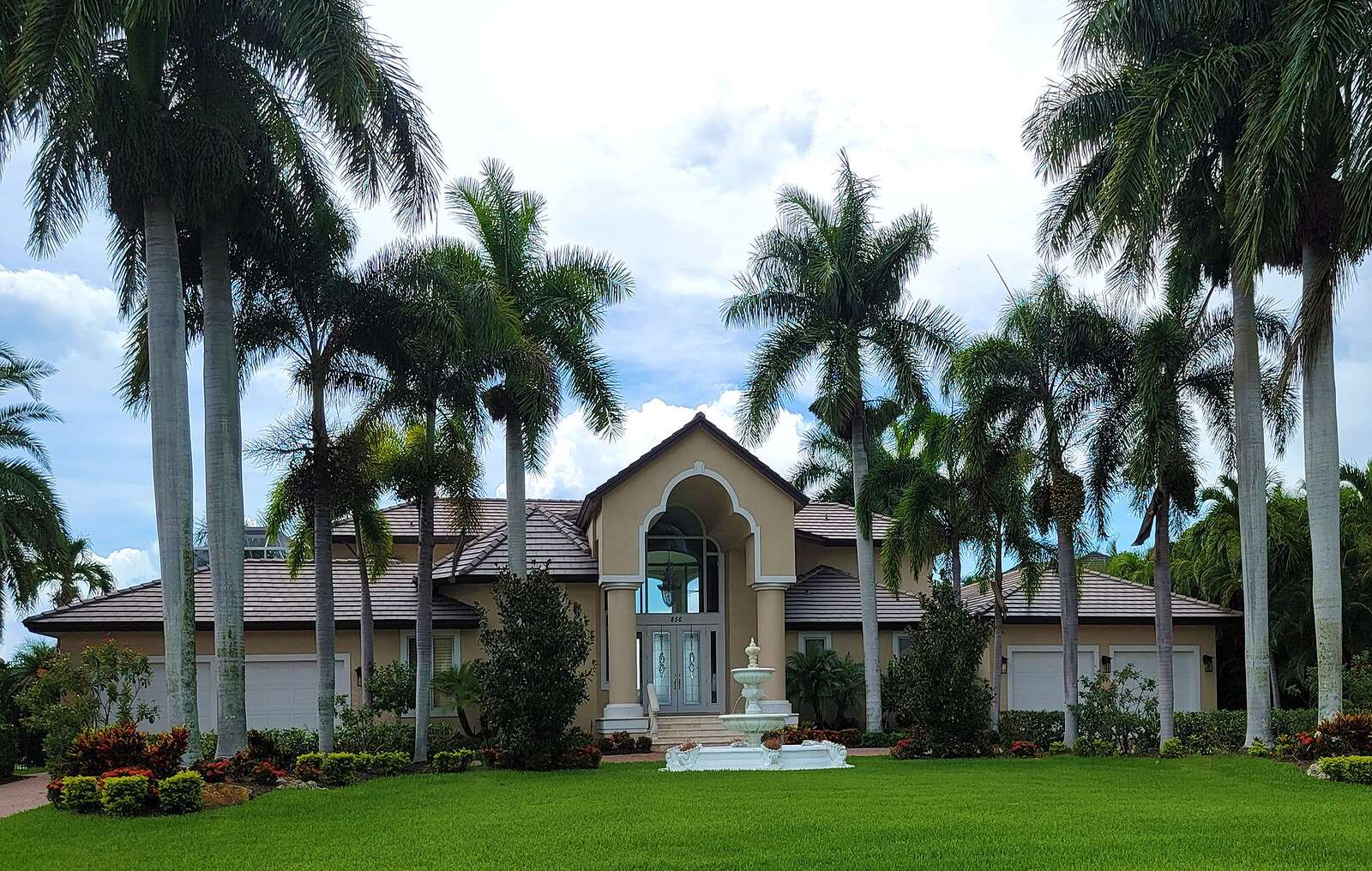
New Tampa's newer block and stucco subdivisions see less roof rat pressure than the oak canopy districts closer to downtown, and the rats that do get in come through soffit and ridge gaps. Book a free inspection and the roofline gets checked first.
- Free roofline inspection
- Phone answered 24 hours a day
- FDACS-licensed contractors, every job
Rodent pressure in New Tampa is lower than in the older districts
New Tampa's block and stucco subdivisions carry less roof rat pressure than the oak canopy neighborhoods near downtown, and the difference comes down to trees. The roof rat is the animal in almost every Tampa attic call, and UF/IFAS describes it as arboreal: it travels along branches, wires and palm trunks and drops onto a roof from above. Where a subdivision was cleared and replanted in the last twenty or thirty years, the canopy is young and rarely touches a roofline, so the highway that feeds a Seminole Heights attic barely exists here.
Lower pressure is different from none. A roof rat can range around 150 yards from its den according to UF/IFAS, which covers a conservation buffer, a pond edge, a retention area and several rows of houses. Once one reaches a roof, the way in is the same as anywhere in Hillsborough County: a gap at the soffit or the ridge. The roof rat removal work is the same as well, trapping inside and sealing outside, and the free inspection settles which openings matter on your house.
Where rats get into a New Tampa house
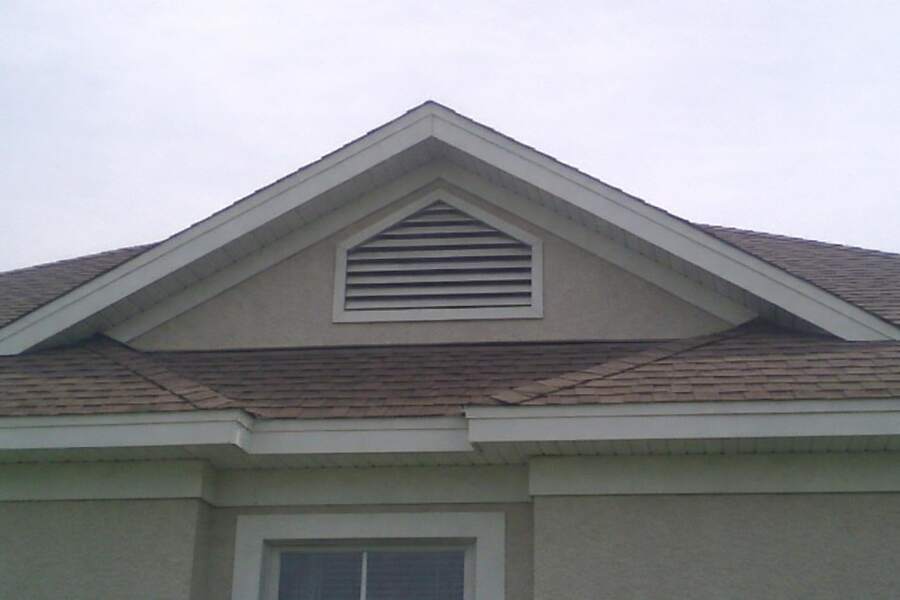
Rats get into New Tampa houses at the roofline, because the housing is slab-on-grade with a vented attic and every vent is a possible opening. The soffit panels on newer stock are aluminum and bend where a ladder or a storm has pushed them, the ridge vent on a shingle roof is closed with a plastic mesh that a rat chews through in a night, and gable vents carry light screens that rust or tear. On tile roofs the first course of barrel tile sits over an open void along the whole eave, which a metal bird stop is meant to close.
- Soffit returns and bent soffit panels at the corners of the house
- Ridge vents and off-ridge vents with plastic or fine wire mesh
- Gable vent screens on two-story elevations
- Tile eave courses where the bird stop is missing or displaced
- AC line sets and utility penetrations through the block wall
Sealing these with steel mesh and metal closures is rodent exclusion, and it is the part of the job that stops the calls repeating. UF/IFAS sets the rat-proofing standard at a quarter inch, so anything larger gets closed. A blob of expanding foam at the eave is what a cheap quote usually means, and rats chew through it. Ask whoever attends to walk you through each opening they found before you sign anything, and ask what their exclusion warranty covers and for how long.
When New Tampa calls come in
New Tampa attic calls peak on the cool snaps between November and February, when a rat that has been living outdoors all summer moves into the insulation for warmth. Breeding runs all year in Tampa's climate, and UF/IFAS gives a female sexual maturity at three to four months with four or five litters a year, so a pair that arrived in October can be a colony by spring. The summer rains from June to September push rodents indoors as well, and a scratching sound that starts during a downpour is a common first sign.
Hurricanes change the roofline. After Helene and Milton, Tampa Bay pest firms reported a surge in rodent calls as wind lifted soffit panels and shingles and opened new entry points, and the Department of Energy documents storms breaking and displacing roof tiles. A house that went through the 2024 storms with any roof damage is worth a post-storm rodent inspection even if nothing has been heard yet. Reach us through the contact page or the phone line, which is answered 24 hours a day.
What a roofline inspection looks at in New Tampa
A roofline inspection on a New Tampa house starts at the eave and works up to the ridge. The inspector checks each soffit corner for a bent panel, lifts the edge of the first tile course or checks the ridge cap for chewed mesh, and then looks at the attic side for droppings and greasy rub marks on the rafters. Roof rat droppings measure a quarter to half an inch with pointed ends, which UF/IFAS gives as the identifying shape. Everything found goes on an itemized list with a price beside each line, so the sealing, the trapping and any cleanup can be judged separately.
Keeping rodents out once they are gone
Three approaches, and why sealing is the one that lasts.
Video: 3 Ways To Get Rid Of Mice or Rats, And Keep Them Out!, from Everything Homestead.
Why New Tampa homeowners book through us
Exclusion comes before the traps
Trapping without sealing is the practice homeowners complain about most, because the attic refills as fast as it empties. The contractor we route maps every roofline opening on the first visit, closes them with steel mesh and metal closures once the attic is cleared, and leaves the traps in for at least a week because roof rats avoid new objects. On a New Tampa house that usually means the soffit corners and the ridge line.
UF/IFAS rat-proofing standard: no opening larger than a quarter inch
The right FDACS credential, confirmed before work starts
Trapping rats in, on or under a structure for hire needs at minimum an FDACS Limited Commercial Wildlife Management certificate, and any rodenticide use needs a structural pest control business license with a certified operator in General Household Pest and Rodent Control. Every contractor we route holds the credential the job needs, and you can confirm it through the FDACS license lookup before anyone climbs into the attic.
FDACS Limited Commercial Wildlife Management certificate, checkable online
Tampa cost bands you can hold a quote against
Angi's Tampa figures put rodent removal at an average of $1,078 per visit, with a typical range of $441 to $1,716, and exclusion at $550 to $1,642. Those are typical-job bands confirmed at the free inspection, and they exist so a New Tampa homeowner can tell a fair itemized quote from a bundled number with a monitoring contract hidden inside it.
Angi Tampa: exclusion $550 to $1,642
A common New Tampa call
The situation: A two-story block house with a shingle roof, ten years old, on a street backing onto a conservation buffer. In December the owner starts hearing something run across the ceiling above the main bedroom around midnight and again before dawn. Her husband puts it down to the AC ducts settling. Two weeks later she finds droppings on the shelf of the attic access in the garage, and nobody in the house is sleeping well.
What gets done: The free inspection finds the plastic mesh under the ridge vent chewed open on the rear slope and a soffit panel bent up at the corner above the lanai. Inside, there are droppings along the ridge board and a rub mark at the soffit corner. Snap traps go into the attic for a week. The soffit corner is refitted and backed with steel mesh, and the ridge vent is closed with steel mesh under the cap. Each item is priced on its own line.
How it turns out: Two roof rats are trapped in the first five days and nothing more after that. The follow-up visit collects the traps, checks the seals and finds one run of pressed-down insulation, which is left in place because it is dry and clean. The house is quiet again by the new year, and the owner keeps the itemized list in case a neighbor asks.
New Tampa rodent questions
The questions below are the ones asked most often from New Tampa's newer subdivisions.
Getting in
Why would a newer house in New Tampa have rats at all?
Because a vented attic has openings by design. Soffit vents, ridge vents and gable vents all rely on screens or mesh, and the plastic and light aluminum used on newer stock is easy for a roof rat to chew or push aside. The canopy in New Tampa is younger and touches fewer roofs, so the pressure is lower than in Seminole Heights or Hyde Park, but a rat that reaches the roof from a fence line, a wire or a young palm has the same choice of gaps. The age of the house changes how many rats arrive, and the roofline decides whether they get in.
Does a tile roof need anything special?
It needs the eave closed. The first course of barrel tile sits over an open void that runs the length of every eave, and the part built to close it is a metal bird stop, typically 26 gauge galvanized steel or aluminum. The Department of Energy lists installing bird stopping among its recommended measures for tile roofs. If your New Tampa house has tile and the bird stop was never fitted or has corroded, that void is the entry point to check first, and it should be closed with the metal component instead of foam.
The job
How long does it take to get rid of rats in New Tampa?
Trapping a small number of animals takes two to three days once the traps are working, and HomeGuide puts a severe infestation at one to two months. The traps stay in for at least a week regardless, because roof rats are wary of new objects and often ignore a trap for the first few nights. The sealing is done in one visit on most New Tampa houses, and the follow-up visit confirms the attic is quiet and collects the traps. Ask whoever attends how many follow-up visits are included before the work starts.
What does rodent removal cost in New Tampa?
Angi's Tampa data gives a per-visit average of $1,078 and a typical range of $441 to $1,716, with exclusion sealing at $550 to $1,642. Nationally, HomeGuide prices trapping and removal at $250 to $1,200 and full-home exclusion at $500 to $2,500. The free inspection turns those bands into a figure for your house, with trapping, sealing and any attic cleanup listed separately so you can see what each part costs.
Still have a question? Call (813) 710-4931 and ask.

Book a free inspection in New Tampa
The line is answered 24 hours a day. Tell us where the sound is and the contractor we route will check the roofline and the attic and price each part of the job separately.