Rodent Removal in Largo, FL
Largo is built out edge to edge in the most densely populated county in Florida, so a rat pushed off one lot lands on the next. The free inspection finds where it got into your house or manufactured home and what closes it.
- Free inspection, house or mobile home
- Answered 24 hours a day
- FDACS-licensed contractors only
Free Inspection in Largo
A free inspection in Largo covers the roofline and attic on a block house and the skirting, underbelly and roof seams on a manufactured home, because the city has both in quantity and rats use each differently. Whoever attends checks soffit returns, gable and off-ridge vents and the line-set penetration on a house, and on a manufactured home walks the full skirting for gaps, looks under the floor at the belly board and plumbing drops, and checks the roof-over seams and the transition where a Florida room was added. The result is an itemized quote with trapping, sealing and cleanup as separate figures.
Largo is a drive across the bay from the Tampa office over the Howard Frankland and up through the middle of the county, and the phone is answered 24 hours a day. Pinellas County is inside the service area and every contractor we route holds the FDACS credential the job calls for. Book a free inspection and the response gets moving from there.
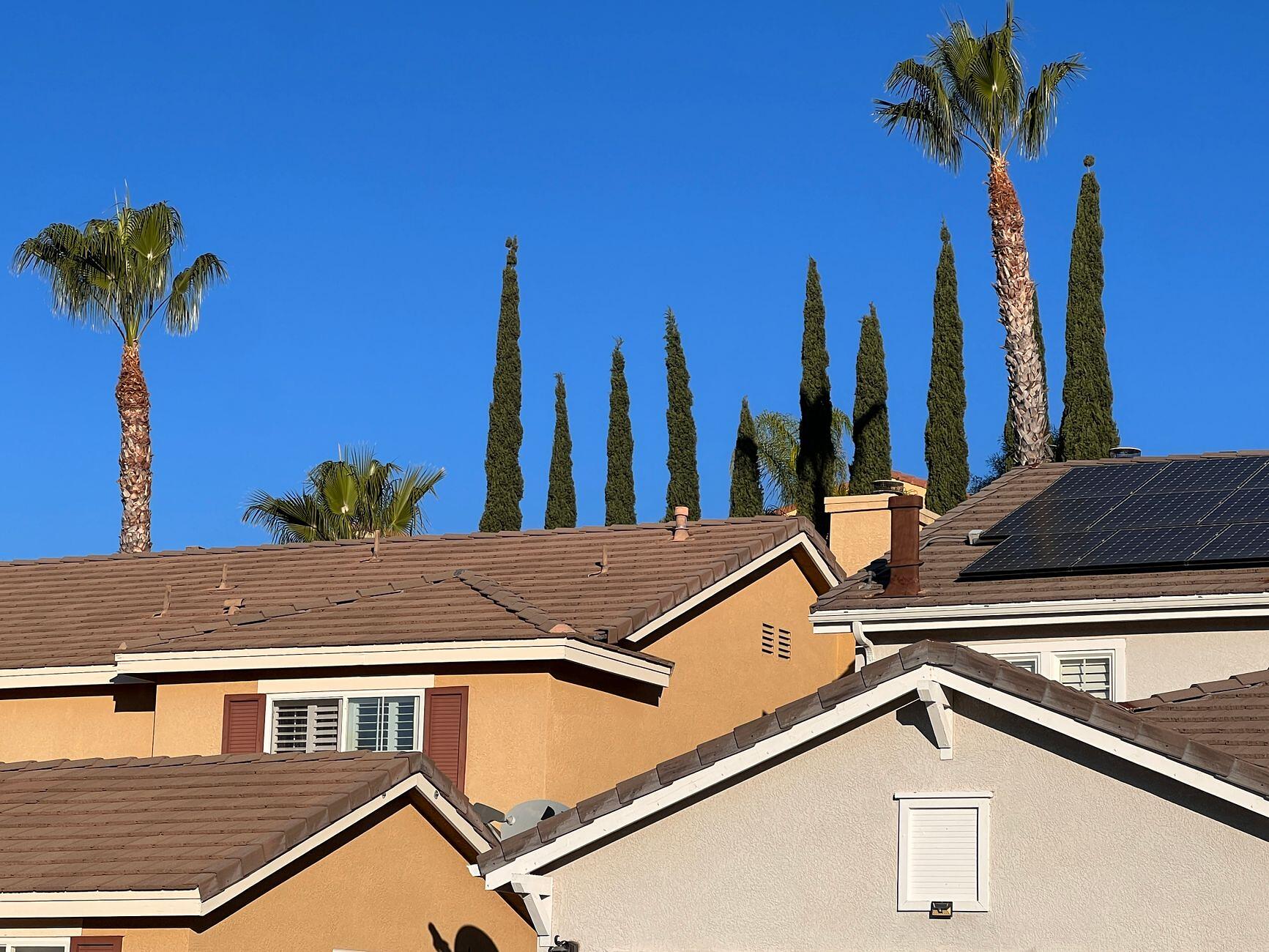
Largo's single-story block homes from the boom decades
The typical Largo rat call is a single-story block house from the 1960s or 1970s with a rat in the attic. The city went from about five thousand people in 1960 to twenty thousand in 1970 and kept growing to seventy thousand by the mid 2000s, and the streets between Ulmerton Road and the Clearwater line filled with slab-built ranch houses on small lots in those years. Their attics vent through aluminum soffits that bend at the corners, gable vents with light screen and off-ridge vents under a hood, and the shingle roofs have been replaced once or twice since, each time with a chance for a soffit return to be left open. The trees planted when the subdivisions were new are now full size and reach the eaves, which is the roof rat's route in; UF/IFAS describes it as a climber that travels along branches, wires and palms.
The city is fully urbanized and the housing is mostly single-family, so there is no open ground for a displaced rat to go to. A colony pushed out of one yard by a tree trim or a demolition moves along the fence lines to the next house with a warm attic. Roof rat removal handles what is inside; rodent exclusion closes the soffit corners, vents and penetrations with steel to the quarter-inch UF/IFAS standard so the next colony along the fence line finds nothing open.
Manufactured-home communities and the space under the floor
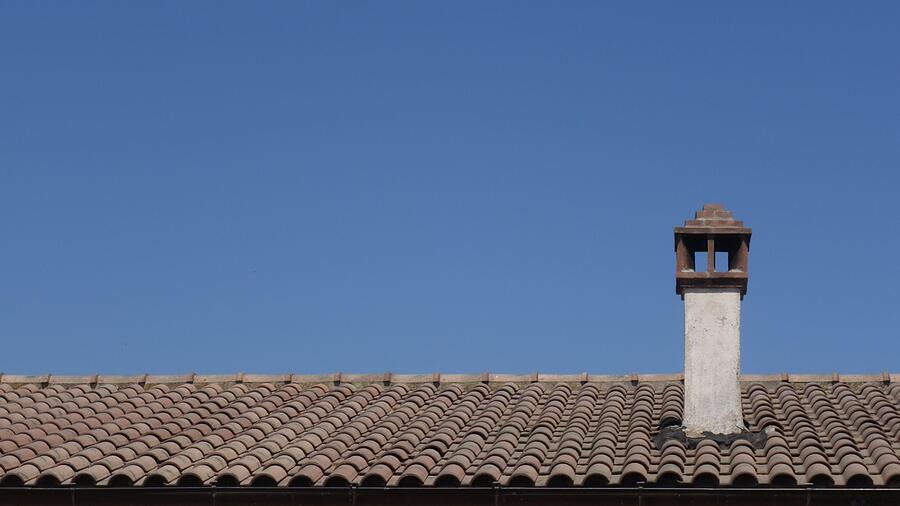
A manufactured home gives a rat a way in that a block house does not have: the space under the floor. Largo and the unincorporated land around it hold a large share of the county's manufactured-home communities, many of them age-restricted parks where the median age in the city already sits above fifty and more than a quarter of residents are over sixty-five. A rat gets under the skirting through a loose panel, a gap at a pier or a utility cut, climbs a plumbing drop or a duct boot, and chews through the belly board into the insulation and then the floor cavity. Noise under the floor at night and a smell from a bathroom vanity are the usual first signs, and in a park a problem in one home is often a problem along the whole row.
The contractor we route treats the skirting and underbelly as the roofline of a manufactured home: every gap in the skirting screened with steel mesh, the plumbing and duct penetrations through the belly closed, and the roof-over seams and Florida-room transitions checked from above. Trapping under the floor and in the ceiling cavity runs alongside. Dead rodent removal matters here because a poisoned rat that dies in a belly board cannot be reached without opening it, which is the sourced reason UF/IFAS gives for trapping over rodenticide inside a structure.
Low ground along the creeks and what the 2024 storms did
Largo's low ground is along its creeks, and that is where water and rats move together after a storm. The city runs from sea level to about sixty-nine feet, drained by Allen's Creek and McKay Creek, and the McKay Creek basin is the part the city itself lists as prone to flooding; Lake Largo was drained in 1916 to make room for the town, and the ground has stayed low there. Helene put surge into the coastal and low-lying parts of Pinellas County in September 2024, Milton felled large trees across Largo two weeks later and cut power to most of the county, and across unincorporated Pinellas the county has since sent substantial-damage letters to around a thousand homes, most of them manufactured homes, telling owners to raise the home or demolish it. Some of those homes have sat open or half-repaired for more than a year.
Tampa Bay pest firms reported a surge in rodent calls after both storms, the same thing they saw after Ian and Irma: floodwater pushes rats out of burrows and ground cover, fallen trees and storm-damaged roofs open houses, and curbside debris becomes harborage. The CDC ties leptospirosis increases to hurricanes and floods, names rodents among the reservoirs, and recommends rodent control as part of post-flood prevention. A post-storm rodent inspection is the fit for a house or manufactured home on the low streets that was flooded, re-roofed, or is still waiting on a repair.
What We Handle in Largo
Largo work divides between block-house attics and the underbellies of manufactured homes, and the contractor we route is set up for both.
- Roof rat removal: trapping in the attics of the 1960s and 1970s ranch houses and in the ceiling cavities of manufactured homes.
- Rodent exclusion: soffit corners, gable and off-ridge vents and line sets on a house; skirting, belly board and plumbing drops on a manufactured home.
- Rodent inspection: free, and it includes the crawl under a manufactured home, which is where most park problems start.
- Dead rodent removal: a carcass in a belly board or a block wall traced by smell and taken out.
- Attic cleanup: contaminated insulation out of a low attic or a floor cavity, the space treated, a written record kept.
- Post-storm rodent inspection: for homes on the low ground along the creeks after surge, wind or a delayed repair.
A Typical Largo Job
The situation: A common Largo call comes from a manufactured home in a park off Ulmerton Road where the owner hears scratching under the bathroom floor at night and has found droppings behind the water heater. A neighbor two lots down had the same thing last winter and paid for trapping that never ended. The owner is in their seventies, has not slept properly in a week, and has been told by family that they are making too much of it.
What gets done: The free inspection finds a skirting panel pushed in at the back corner, a chewed belly board around the tub drain, and roof rat droppings, a quarter to half an inch long and pointed, along the duct run. The contractor we route screens every skirting gap with steel mesh, closes the belly around the plumbing drops, and sets traps under the floor and in the ceiling cavity, leaving them in place for at least a week as UF/IFAS advises. The chewed section of belly board is patched once the traps have gone quiet.
How it turns out: The catches stop within two weeks, the follow-up crawl finds no fresh droppings, and the owner gets a written list of the closures. The park office gets a copy to pass along the row, because the next lot is the next likely call.
What This Costs in Largo
Largo jobs fall inside the published Tampa area and national bands, with a manufactured home usually toward the lower end because the sealing is skirting and belly work at ground level.
| Work | Tampa area (Angi) | National (HomeGuide 2026) |
|---|---|---|
| Inspection alone | Free through the call | $0 to $175 |
| Trapping and removal | Average $1,078 a visit; most jobs $441 to $1,716 | $250 to $1,200 |
| Exclusion for the whole home | $550 to $1,642 | $500 to $2,500 |
| Attic or floor-cavity cleanup | $600 to $2,500 | |
| Insulation removal and replacement | $600 to $1,200 out; replacement $1,000 to $3,000 on top | $2.50 to $5.50 per sq ft |
| Dead rodent removal | $150 to $500 |
The free inspection is where a band becomes a number for your home. Ask whoever attends to show trapping, sealing and cleanup as three figures, to say how many return visits are included, and to state the warranty terms on the sealing in writing before you agree to the work.
Materials that keep rodents out
A comparison of what actually holds at a gap.
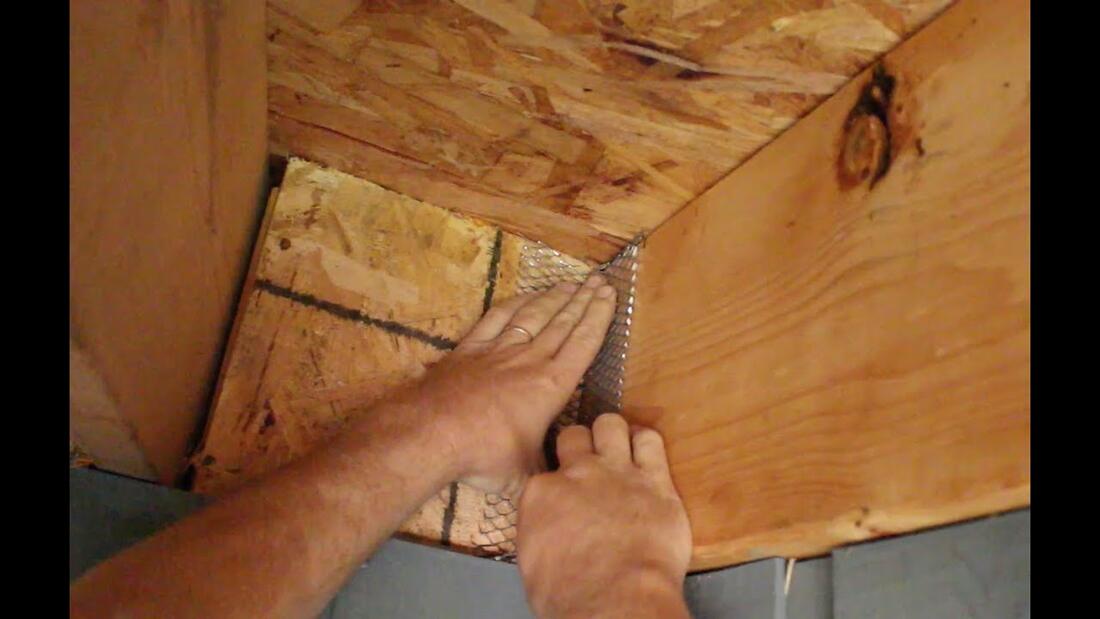
Video: How to keep mice out. Cheaper than hardware cloth, from Ontario Lakeside.
Common Questions in Largo
What callers from Largo ask before booking.
Manufactured homes and block houses
How do rats get into a mobile home in Largo?
Rats get under the skirting and come up through the floor, which is the route a block house does not offer. A loose or rusted skirting panel, a gap at a pier, or a cut made for a hose bib lets the rat under the home; from there it climbs a plumbing drop or duct boot, chews the belly board and gets into the floor insulation and the cavity under the bathroom. Roof-over seams and the joint at a Florida room are the second route. The contractor we route seals the skirting with steel mesh and closes the belly penetrations, then traps under the floor.
Is it safe to do exclusion before trapping?
Sealing first is the right order provided traps go in at the same visit, so anything still inside is caught instead of chewing a new way out. The worry people raise is trapping a rat in the house, and that is answered by setting traps in the attic or under the floor the day the openings close and checking them within days. UF/IFAS advises leaving traps at least a week because roof rats avoid new objects. Sealing on its own with no traps is the version to refuse, and trapping on its own with no sealing is the version that never ends.
Timing and what it costs
What is the cheapest way to get rid of rats in Largo?
The cheapest way that works is sealing the openings with steel and trapping what is already inside, done once and done properly. Poison looks cheaper on the first visit and costs more when a rat dies inside a belly board or a block wall and has to be cut out; the EPA notes most rodenticides are anticoagulants that take days to two weeks to kill, which is time enough to die somewhere unreachable. The free inspection removes the inspection fee some firms charge, and an itemized quote lets you decline the cleanup line and keep the sealing if money is tight.
How long does it usually take to get rid of rats?
A home with a few rats usually clears in two to three days of trapping once it is sealed, and a heavy infestation that has run for a season can take one to two months, on HomeGuide's published figures. In a Largo park the timeline depends on the row as much as the home, because an open lot next door keeps the pressure on. The follow-up visit that confirms no new droppings is the real end of the job, and it should be listed in the quote along with the number of return visits included.
Still have a question? Call (813) 710-4931 and ask.
Nearby Areas We Serve
The same contractors cover the towns around Largo, and the service area is the whole of Pinellas and Hillsborough County.

Book a Free Inspection in Largo
Whether it is a block ranch house off Ulmerton Road or a manufactured home in a park along the creek, the inspection is free and the quote is itemized. Someone answers the phone 24 hours a day, and Pinellas County is inside the service area.