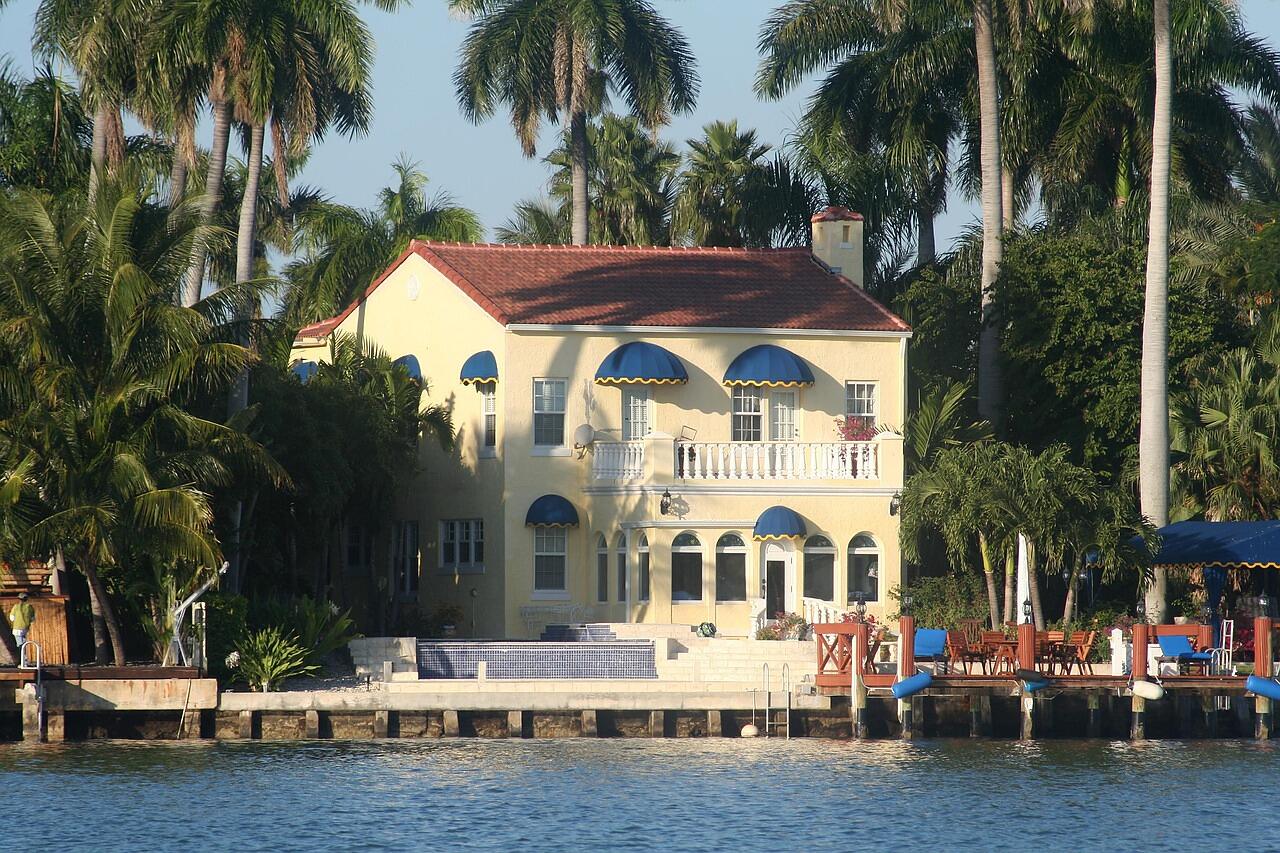
Rodent Removal in St. Petersburg, FL
St. Petersburg carries two rat problems at once: roof rats in the oak canopy over its bungalow districts and Norway rats along the bay and downtown. One call gets a free inspection that names which one you have and what closes it.
- Free attic and seawall inspection
- Phone answered 24 hours
- FDACS-licensed contractors routed
Free Inspection in St. Petersburg
A free inspection in St. Petersburg covers the attic, the roofline, the ground floor perimeter and, on a waterfront lot, the seawall and dock area, because the city sits on a peninsula between Tampa Bay and the Gulf and its rats come from both the trees and the water. Whoever attends checks soffit returns and gable vents on the bungalow stock, the eave course on tile roofs, the slab edge and utility penetrations where Norway rats burrow, and the attic insulation for runs and droppings. The findings come back as an itemized quote with trapping, sealing and cleanup on separate lines.
St. Petersburg is a drive across the bay from the Tampa office on the Howard Frankland or the Gandy, and the phone is answered 24 hours a day. Pinellas County is inside the service area, and every contractor we route holds the FDACS credential the job needs. Book a free inspection and we get the response moving.
Roof rats in the Kenwood and Old Northeast canopy
The oak canopy over St. Petersburg's older neighborhoods is the roof rat's road into the attic. Kenwood, immediately west of downtown, is a 375-acre district of historic bungalows on streets lined with large oaks, jacaranda, palms and pines, and Old Northeast, the North Shore Historic District, holds close to three thousand historic buildings under a similar canopy. The Grand Central District adds Craftsman stock, and the city's post-war expansion filled the blocks between with single-story block homes that now carry sixty and seventy year old trees. UF/IFAS describes the roof rat as arboreal, moving along branches, wires and palm trunks, so a limb that touches a bungalow roof works as a ramp.
On a 1920s bungalow the openings are at the eaves: open rafter tails, vented soffits with bent or rusted screen, gable vents with light mesh, and the joint where a later addition meets the original roof. On a 1950s block house they are the soffit corners, the off-ridge vents and the AC line set through the wall. Both get the same treatment from the contractor we route: steel mesh and sheet metal at every opening to the quarter-inch rat-proofing standard UF/IFAS gives, with trapping inside so the animals already in the attic come out. Roof rat removal covers the trapping side; rodent exclusion covers the sealing.

Norway rats along the bay, the marinas and downtown
Norway rats are the second species in St. Petersburg, and they belong to the waterfront and the dense downtown blocks. The city has seven miles of public waterfront park along the bay, marinas, a pier, and a downtown of residential and commercial high-rises with restaurant rows and dumpster corrals behind them. The Norway rat is a burrower and a ground animal: it digs under seawalls, riprap, slabs and dumpster pads and comes into a building at ground level through a garage door gap, a pipe chase or a chewed corner of a door sweep. Roof rats climb into the attic; Norway rats show up in a ground-floor pantry or a condo trash room.
Condo and multifamily buildings downtown and along the bay are shared structures, so a rat in one unit is a building problem. The contractor we route inspects the trash room, the loading area, the ground-floor utility penetrations and the parking level, and works with the association on what gets sealed in common areas. Commercial rodent control is the fit for an association or a restaurant, with trapping and exclusion written up for the board.
Shore Acres and the surge-flooded blocks after Helene and Milton
The 2024 storms put water inside houses across the low waterfront neighborhoods of St. Petersburg, and rats followed the damage. Shore Acres, a mid-century neighborhood built in a bowl with the middle sitting lower than the edges, took its fourth flood in four years when Helene pushed more than six feet of surge into the city; major news reported water at doorknob height in some homes and its worst flooding in memory. Milton arrived two weeks later. Tampa Bay pest firms reported afterward what they had seen after Ian and Irma: flooding displaces rats out of burrows and ground cover, storm damage opens the roof and soffit, and debris piles along the curb become harborage for weeks.
A flooded house that has since been gutted has a clear path for rats: open wall cavities, a garage without its door seal, and a debris pile out front. The CDC ties leptospirosis case increases to hurricanes and floods, counts rodents among the reservoirs, and recommends rodent control as post-flood prevention, which is the sourced reason to get the inspection done before the drywall goes back up. A post-storm rodent inspection walks the perimeter, the attic and the rebuild, and the contractor we route seals what the storm opened.
What We Handle in St. Petersburg
St. Petersburg jobs split between attic work on the bungalow and block-home stock and ground-level work along the water and downtown, and the contractor we route handles both.
- Roof rat removal: trapping in the attics of Kenwood, Old Northeast and the mid-century blocks under the oaks.
- Rodent exclusion: steel mesh at bungalow eaves and soffit returns, metal closures under tile eaves on Snell Isle, sealed slab penetrations on waterfront lots.
- Rodent inspection: free, and it names the species, because Norway rats at the seawall and roof rats in the attic need different work.
- Post-storm rodent inspection: for Shore Acres and the other flooded streets, before and during the rebuild.
- Attic cleanup: contaminated insulation out of an older attic, the space treated, and a written record.
- Dead rodent removal: the odor in a bungalow wall traced and the carcass taken out.
- Commercial rodent control: condo associations, downtown restaurants and marina businesses.
A Typical St. Petersburg Job
The situation: A common St. Petersburg call comes from a bungalow west of downtown where the noise in the ceiling started in the first cool week of November. The house has its original vented soffits under a grand oak whose lowest limb rests on the porch roof, and the owner has already found droppings on the top shelf of a closet and has stopped sleeping through the night. A neighbor told them the whole street has rats and there is nothing to be done.
What gets done: The free inspection finds banana-shaped droppings a quarter to half an inch long along the attic joists, the sign of a roof rat, and an entry at a rusted soffit screen beside the limb. The contractor we route sets traps inside the attic and closes every opening at the eaves with quarter-inch steel mesh and sheet metal, then recommends the limb be cut back from the roof. Traps stay in for at least a week, as UF/IFAS advises for a wary animal.
How it turns out: The catches stop within the first two weeks, the follow-up visit confirms no new droppings, and the owner has a written list of what was sealed. The oak stays. The street may still have rats, and this house is closed to them.
What This Costs in St. Petersburg
A St. Petersburg rodent job usually lands inside the published Tampa Bay and national bands, and the free inspection turns those bands into an itemized quote for the house in front of you.
| Work | Tampa area (Angi) | National (HomeGuide 2026) |
|---|---|---|
| Standalone inspection | Free through the call | $0 to $175 |
| Trapping and removal | $441 to $1,716 per visit, $1,078 on average | $250 to $1,200 |
| Full-home exclusion | $550 to $1,642 | $500 to $2,500 |
| Attic cleanup and decontamination | $600 to $2,500 | |
| Insulation removal and replacement | Removal $600 to $1,200; replacement adds $1,000 to $3,000 | $2.50 to $5.50 per sq ft |
| Dead rodent removal | $150 to $500 |
A 1920s bungalow with open rafter tails takes more sealing labor than a 1970s block house, and a waterfront lot with a seawall adds perimeter work, so the quote should list each item on its own line. Ask whoever attends what the warranty on the sealing covers and for how long, and how many follow-up visits are included, before agreeing to anything.
Why mice keep coming back
A look at the openings that make it repeat.
Video: EASY WAY to Get Rid of Mice in Your House FOREVER, from Silver Cymbal.
Common Questions in St. Petersburg
What callers from St. Petersburg ask before booking.
Species and where they come from
Do I have roof rats or Norway rats in St. Petersburg?
Noise overhead points to roof rats and activity at ground level points to Norway rats, and St. Petersburg has both. Roof rats live in the oak and palm canopy over Kenwood, Old Northeast and the mid-century blocks and enter at the eaves; UF/IFAS puts an adult at 12 to 14 inches with a tail longer than its body. Norway rats burrow along the bayfront, under seawalls and riprap, and behind downtown dumpsters, and come in at ground level. The free inspection settles it from the droppings, the entry point and where the runs are, and the plan follows from that.
Why did rats show up after the flooding in Shore Acres?
Floodwater pushes rats out of burrows and ground cover and storm damage opens houses, so the weeks after Helene and Milton put displaced animals against damaged buildings. Tampa Bay pest firms reported a surge in calls after both storms, the same pattern as after Ian and Irma. A gutted house with open wall cavities and a curbside debris pile is easy for a rat. The CDC recommends rodent control as part of post-flood prevention because of leptospirosis, so the inspection belongs early in the rebuild, before the walls close.
Getting it fixed
What keeps rats away permanently on an older St. Pete house?
Sealing every opening a quarter inch or larger with steel keeps rats out for good, and trapping on its own does nothing lasting. On a bungalow that means steel mesh behind the soffit vents and rafter tails, sheet metal at chewed fascia, a metal closure under tile eaves, and collars at the line set and plumbing penetrations. Cutting limbs back from the roof removes the ramp. The contractor we route seals to the UF/IFAS quarter-inch standard and lists each closure in writing, so ask for that record and for the warranty terms on the sealing.
How long does it take to get rid of rats in a St. Petersburg attic?
A house with a small number of rats usually clears in two to three days of trapping once it is sealed, and a heavy, long-running infestation can take one to two months, on HomeGuide's published figures. The sealing happens first or alongside the trapping so nothing new gets in while the traps work. Roof rats are wary of new objects, so UF/IFAS advises leaving traps in place at least a week before judging them. A follow-up visit confirms no fresh droppings before the job is called finished.
Still have a question? Call (813) 710-4931 and ask.
Nearby Areas We Serve
The same contractors cover the towns around St. Petersburg, and the service area is the whole of Pinellas and Hillsborough County.

Book a Free Inspection in St. Petersburg
The free inspection names the species, finds the way in and comes back as an itemized quote, whether the house is a Kenwood bungalow, a Snell Isle tile roof or a Shore Acres rebuild. The phone is answered 24 hours a day and Pinellas County is inside the service area.